
The Dark History of Halloween: A Haunting Past
Related Articles: The Dark History of Halloween: A Haunting Past
- Alexa, How Many More Days Until Halloween 2024?
- The Origins And Evolution Of Halloween: A Journey Through Time
- Costumes For Halloween 2024: A Comprehensive Guide To Spooktacular Style
- 2024 Google Doodle Halloween: How To Play
- Countdown Until Halloween 2024: A Spine-Tingling Journey To The Spookiest Night Of The Year
Introduction
In this auspicious occasion, we are delighted to delve into the intriguing topic related to The Dark History of Halloween: A Haunting Past. Let’s weave interesting information and offer fresh perspectives to the readers.
Table of Content
Video about The Dark History of Halloween: A Haunting Past
The Dark History of Halloween: A Haunting Past
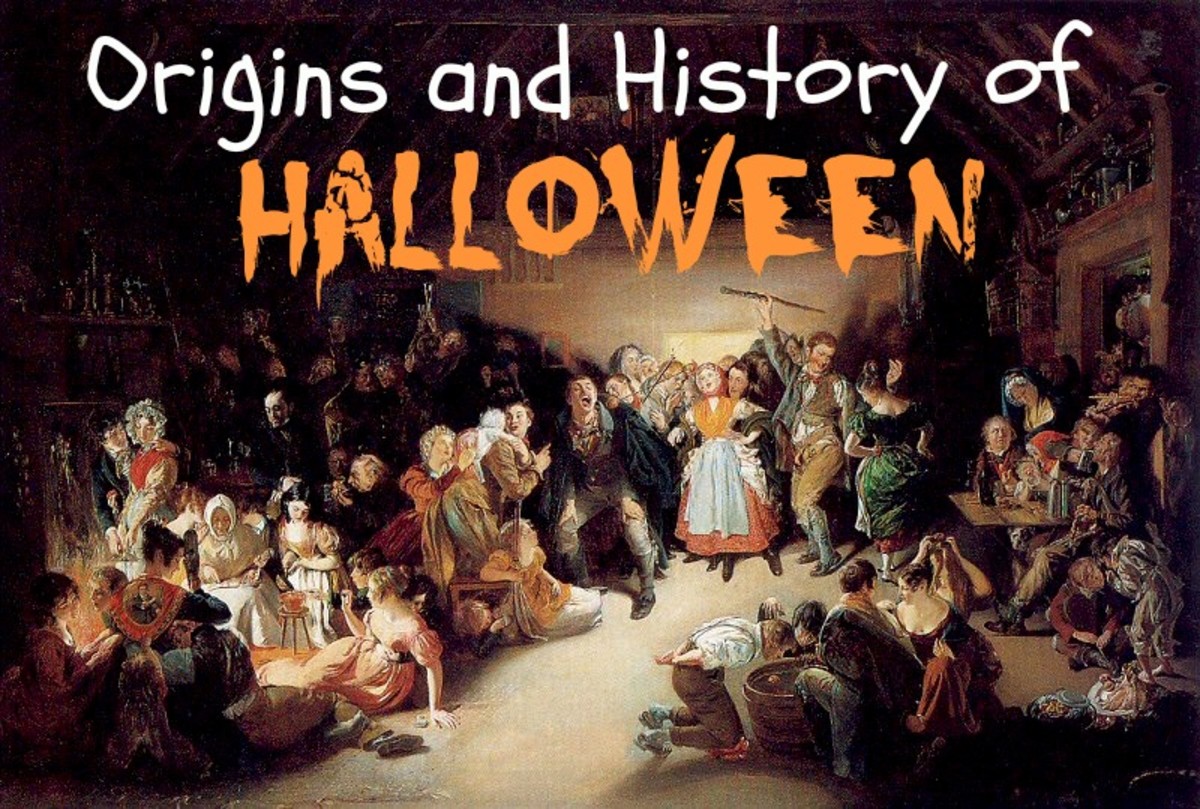
Halloween, a night of costumes, candy, and mischief, has a long and enigmatic history steeped in ancient traditions, pagan rituals, and grim folklore. As we approach Halloween 2024, let us delve into the shadowy depths of its origins and uncover the dark secrets that have shaped this enigmatic holiday.
Celtic Roots and the Festival of Samhain
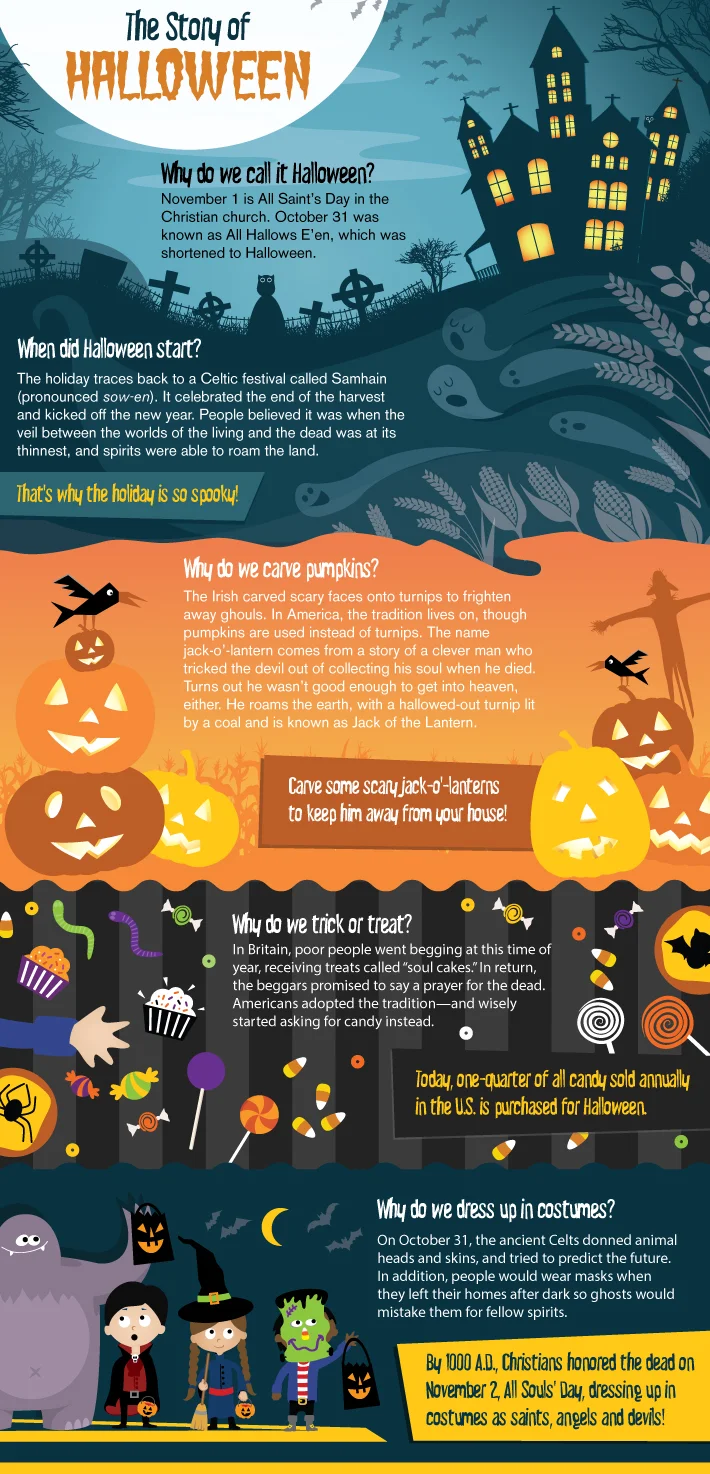
Halloween’s roots can be traced back to the ancient Celtic festival of Samhain, celebrated on October 31st. The Celts, who inhabited parts of Europe, believed that on this night, the veil between the world of the living and the dead became thin, allowing spirits to cross over.
To mark the occasion, they would gather for bonfires, wear costumes made from animal skins and heads, and engage in divination practices to predict the future. They also believed that leaving food and offerings outside their homes would appease the spirits and ward off evil.
Christian Influence and the All Saints’ Day
With the advent of Christianity in Europe, the pagan festival of Samhain gradually evolved into the Christian holiday of All Saints’ Day, celebrated on November 1st. The Church attempted to Christianize Samhain by associating it with the commemoration of Christian saints and martyrs.
However, many of the pagan traditions associated with Samhain persisted, blending with Christian beliefs to create a unique hybrid holiday. The night before All Saints’ Day became known as All Hallows’ Eve, which eventually morphed into the modern-day Halloween.
Witchcraft and the Burning Times
During the Middle Ages, a period of intense religious persecution, Halloween became associated with witchcraft. The belief in witches and their association with the devil gained widespread acceptance, and many innocent people, particularly women, were accused of practicing witchcraft.
The "Burning Times" witnessed the execution of countless individuals accused of witchcraft, with Halloween being seen as a time when witches were particularly active. Bonfires, once used for protection, now became places where witches were burned at the stake.
Trick-or-Treating and the "Stingy Jack" Legend
The tradition of trick-or-treating is believed to have originated from the Irish belief in "Stingy Jack," a miserly farmer who tricked the devil into climbing a tree and then carved a lantern out of a turnip to trap him.
To ward off the spirits of the dead on Samhain, children would dress up as evil beings and go from house to house, asking for food or money. If they were refused, they would play tricks on the homeowners.
Modern Halloween and Commercialization
In the 19th and 20th centuries, Halloween evolved into a more secular holiday, losing much of its religious and superstitious associations. It became a time for costumes, parties, and candy, with commercialization playing a significant role in shaping its modern form.
However, the dark history of Halloween still lingers in the shadows, reminding us of the ancient beliefs and practices that gave rise to this enigmatic holiday.
The Dark Side of Halloween
Despite its festive and lighthearted exterior, Halloween has also been associated with darker aspects throughout history. These include:
- Superstition and Fear: The belief in witches, ghosts, and other supernatural beings persists in some cultures, and Halloween can trigger anxiety or fear in those who believe in these entities.
- Violence and Vandalism: In some cases, Halloween has been linked to acts of vandalism, property damage, and even violence. The anonymity provided by costumes can embolden individuals to engage in destructive behavior.
- Occult and Satanic Practices: While the majority of Halloween celebrations are harmless, some groups have used the holiday as an opportunity to engage in occult or Satanic rituals. These practices can be disturbing or frightening to those who encounter them.
Conclusion
Halloween 2024 will undoubtedly be a night filled with costumes, candy, and festivities. However, as we indulge in the holiday’s lighthearted spirit, it is important to remember its dark history and the beliefs and practices that have shaped its enigmatic nature.
By understanding the origins of Halloween, we can appreciate its cultural significance while also being mindful of its potential for both good and evil. May this Halloween be a time for reflection, celebration, and a reminder of the enduring power of human imagination and the interplay between light and darkness.

Closure
Thus, we hope this article has provided valuable insights into The Dark History of Halloween: A Haunting Past. We appreciate your attention to our article. See you in our next article!
