
The Creepy Custom Origin of Halloween 2024
Related Articles: The Creepy Custom Origin of Halloween 2024
- Barney’s Spooktacular Halloween Party 2024: A Night Of Tricks, Treats, And Unforgettable Memories
- Cape May NJ Halloween Parade 2024: A Spooktacular Extravaganza
- Buy Universal Halloween Horror Nights Tickets 2024: A Comprehensive Guide To Orlando’s Premier Halloween Event
- Boo For You Halloween Disney Junior 2024: A Spooktacular Celebration
- Countdown To Kids’ Halloween 2024: Spooky Excitement And Festive Fun
Introduction
With great pleasure, we will explore the intriguing topic related to The Creepy Custom Origin of Halloween 2024. Let’s weave interesting information and offer fresh perspectives to the readers.
Table of Content
Video about The Creepy Custom Origin of Halloween 2024
The Creepy Custom Origin of Halloween 2024

Halloween, a holiday steeped in mystery and intrigue, has its roots in ancient Celtic traditions and pagan rituals. As we approach Halloween 2024, let us delve into the creepy custom origin of this eerie celebration.
Celtic Origins: The Festival of Samhain
Halloween originated from the ancient Celtic festival of Samhain, celebrated on October 31st. The Celts, who inhabited present-day Ireland, Britain, and parts of Europe, believed that on this night, the boundary between the worlds of the living and the dead blurred.
According to Celtic mythology, on Samhain, the spirits of the deceased would return to the realm of the living. To ward off these spirits, the Celts would light bonfires, wear costumes, and offer sacrifices.
Costumes and Trick-or-Treating
The tradition of wearing costumes on Halloween dates back to the Celtic belief that spirits could be disguised as humans. By donning animal skins and masks, the Celts hoped to confuse and deter these malevolent spirits.
Trick-or-treating, a staple of modern Halloween, is believed to have originated from the Celtic custom of "mumming." During mumming, people would go from house to house, performing songs or plays in exchange for food or money.
Jack-o’-Lanterns: A Symbol of Trickery
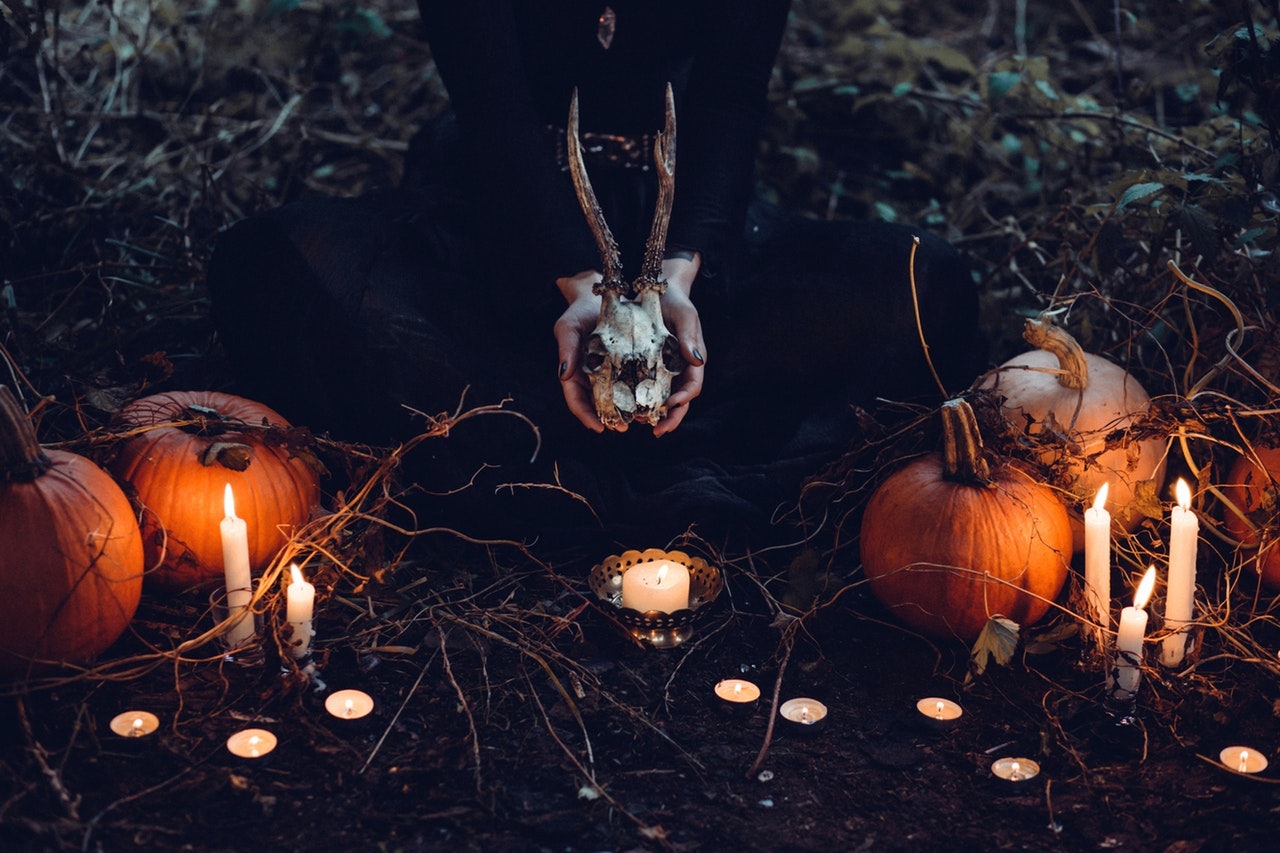
The iconic jack-o’-lantern is a symbol of Halloween that has its roots in Celtic folklore. According to legend, a man named Stingy Jack tricked the Devil and was condemned to wander the Earth forever with a turnip lantern.
In Ireland and Scotland, turnips were traditionally used to carve jack-o’-lanterns. However, in the United States, pumpkins became the preferred choice due to their larger size and ease of carving.
Modern Halloween: A Blend of Traditions
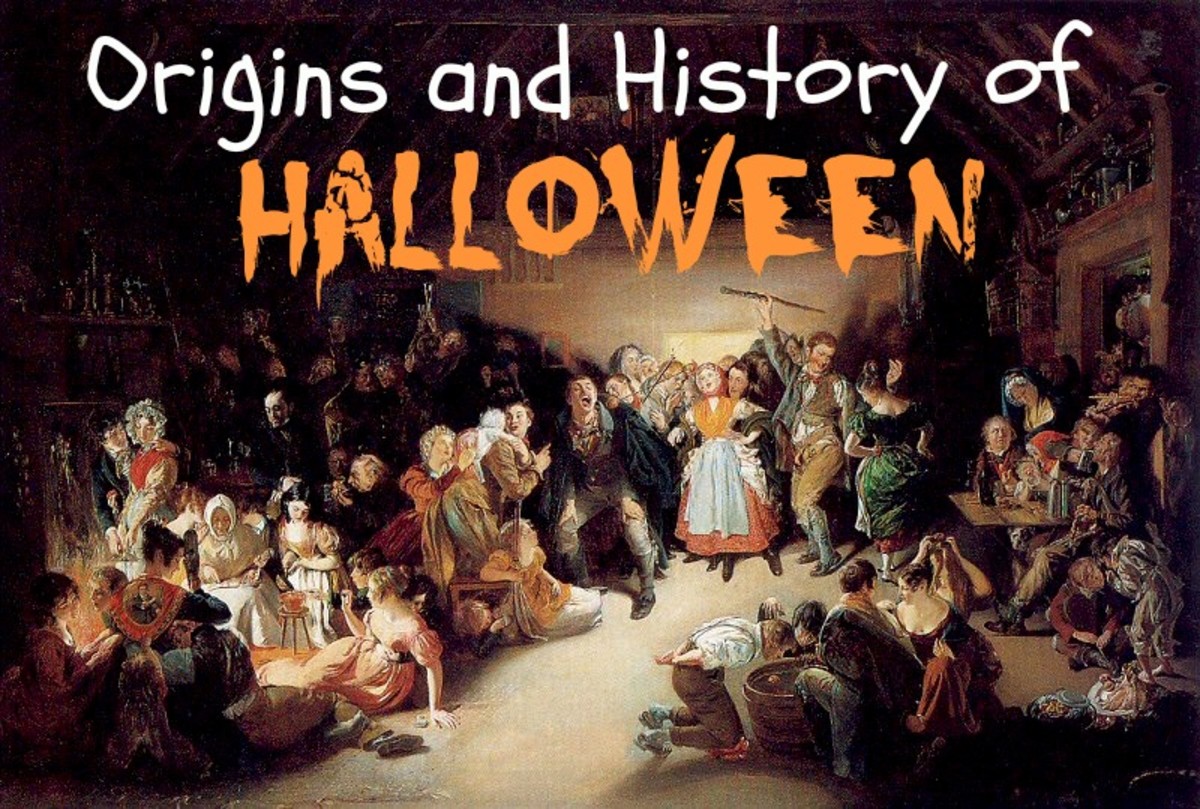
Over the centuries, Halloween has evolved into a blend of ancient Celtic customs and modern traditions. In the 19th century, Irish and Scottish immigrants brought Halloween to North America, where it quickly gained popularity.
Today, Halloween is celebrated worldwide, with people participating in trick-or-treating, costume parties, haunted houses, and other spooky festivities.
Creepy Customs: A Legacy of the Past
While the modern celebration of Halloween has become more lighthearted, its creepy origins continue to linger. Some of these eerie customs include:
- Bobbing for Apples: This game is said to represent the souls of the dead floating in water.
- Divination: On Halloween, it was believed that certain rituals could reveal one’s future or the identity of their future spouse.
- Ghost Hunting: Some people believe that Halloween is the best time to communicate with the spirits of the deceased.
Conclusion
The creepy custom origin of Halloween 2024 serves as a reminder of the ancient beliefs and rituals that shaped this enigmatic holiday. While its modern incarnation may be more focused on fun and entertainment, the eerie legacy of Halloween remains an enduring testament to our fascination with the unknown.
As we prepare for Halloween 2024, let us embrace the spooky spirit of this ancient festival, remembering the creepy customs that have made it a timeless tradition.






Closure
Thus, we hope this article has provided valuable insights into The Creepy Custom Origin of Halloween 2024. We thank you for taking the time to read this article. See you in our next article!
