
Halloween and Day of the Dead: Two Spooky Holidays with Distinct Origins and Traditions
Related Articles: Halloween and Day of the Dead: Two Spooky Holidays with Distinct Origins and Traditions
- Unveiling The Arkham Origins: Long Halloween Skin For 2024
- Baby Shark Halloween 2024: A Spooktacular Splash
- Apex Legends Halloween Skins Leak Date 2024: Spooky Surprises Unveiled
- Day Of The Dead Halloween Costumes 2024: A Guide To Iconic Mexican Traditions
- All Antidotes In Halloween Night Roblox 2024
Introduction
In this auspicious occasion, we are delighted to delve into the intriguing topic related to Halloween and Day of the Dead: Two Spooky Holidays with Distinct Origins and Traditions. Let’s weave interesting information and offer fresh perspectives to the readers.
Table of Content
Video about Halloween and Day of the Dead: Two Spooky Holidays with Distinct Origins and Traditions
Halloween and Day of the Dead: Two Spooky Holidays with Distinct Origins and Traditions
Introduction:
As the autumn leaves turn vibrant hues of red, orange, and gold, two captivating holidays emerge from the shadows: Halloween and Day of the Dead. Both celebrated in the month of October, these festivals share a common thread of the supernatural and the macabre. However, beneath their shared spooky facade, Halloween and Day of the Dead are two distinct holidays with unique origins, traditions, and cultural significance.
Origins and History:
Halloween:
Halloween traces its roots back to the ancient Celtic festival of Samhain, celebrated by the Celts, who inhabited parts of Europe over 2,000 years ago. Samhain marked the end of the harvest season and the transition from summer to winter. The Celts believed that on the night of Samhain, the boundary between the worlds of the living and the dead became blurred, allowing spirits to cross over. They celebrated with bonfires, costumes, and feasts to honor the dead and ward off evil spirits.
Day of the Dead:
Day of the Dead, or Día de los Muertos, is a Mexican holiday originating from the ancient Aztec civilization. The Aztecs celebrated the dead with a festival called Mictecacihuatl, honoring the goddess of death. Over time, Mictecacihuatl evolved into Santa Muerte, the Catholic patron saint of death. Day of the Dead is a blend of pre-Columbian and Catholic beliefs, observed annually from October 31st to November 2nd.
Traditions and Celebrations:
Halloween:
Halloween is a night of mischief, costumes, and trick-or-treating. Children and adults alike don elaborate costumes, often representing spooky characters or mythical creatures. They go from house to house, uttering the phrase "Trick or treat," and receiving candy or other treats in return. Halloween is also associated with jack-o’-lanterns, carved pumpkins illuminated with candles, which are believed to ward off evil spirits.
Day of the Dead:
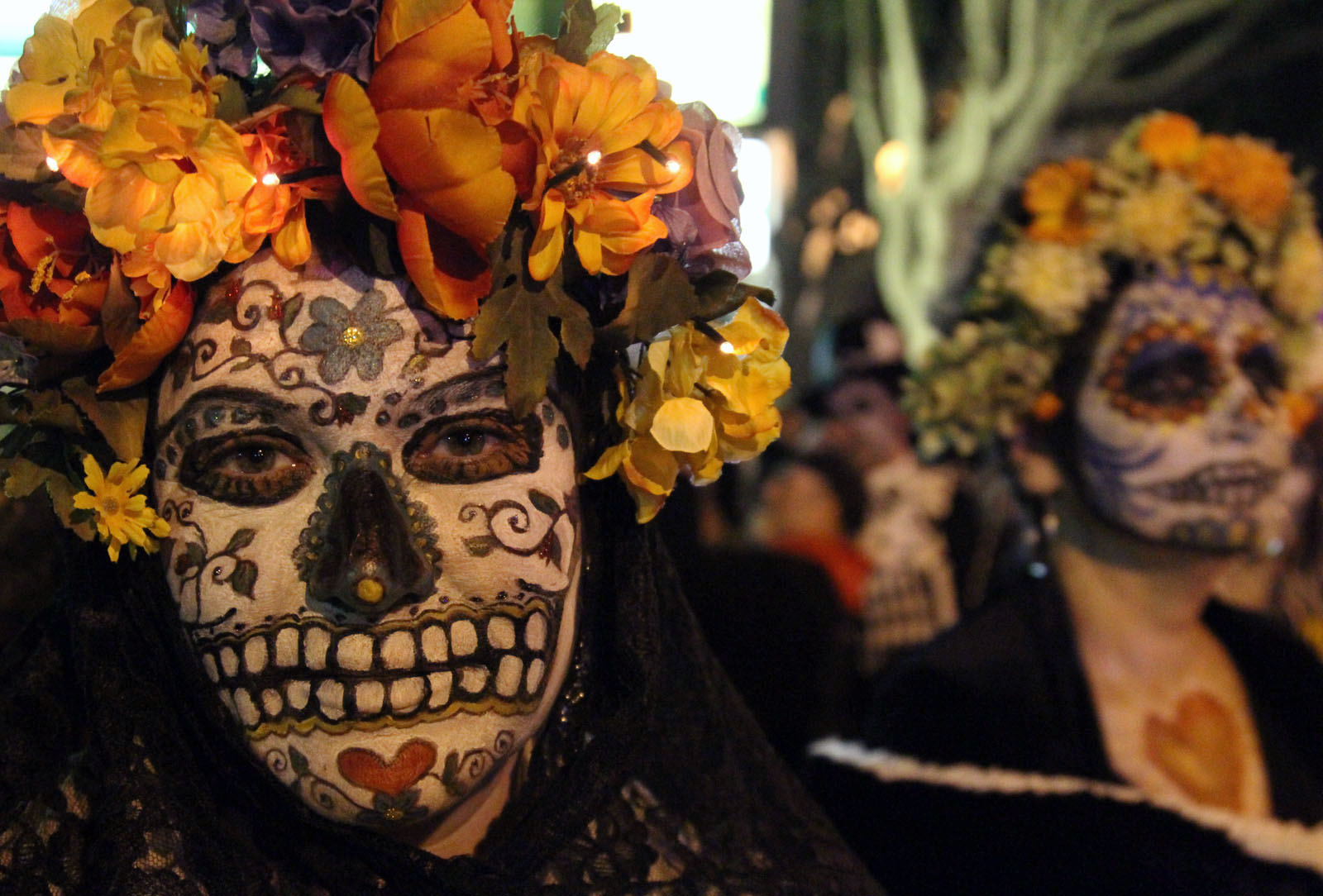
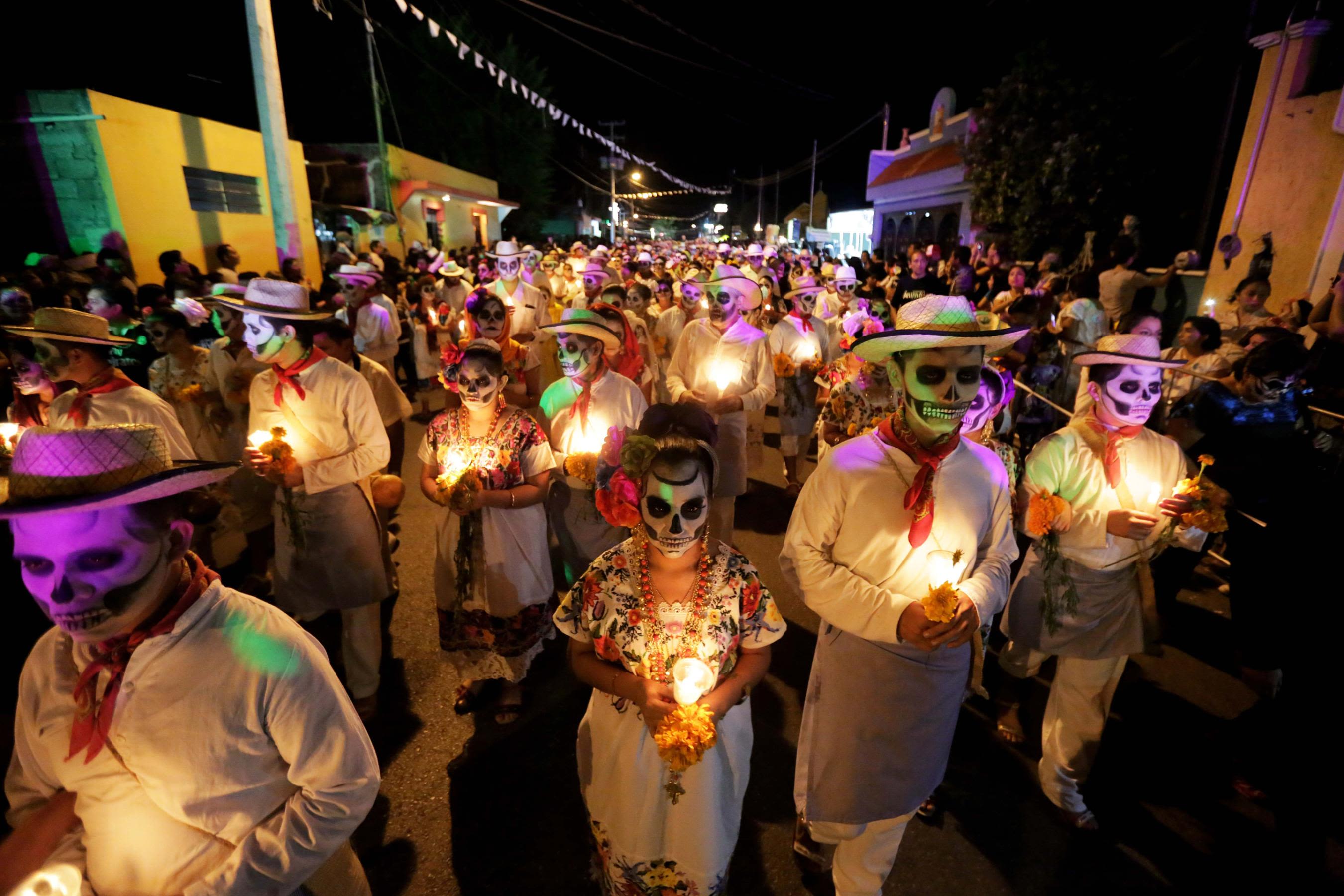
Day of the Dead is a time for families and friends to remember and honor their deceased loved ones. It is a festive celebration filled with vibrant colors, music, and traditional foods. People visit cemeteries to decorate the graves of their departed with flowers, candles, and offerings such as food, toys, and personal belongings. They also build altars or ofrendas in their homes, adorned with photographs, candles, and offerings to guide the spirits of their ancestors back to their families.
Cultural Significance:
Halloween:
Halloween has evolved into a commercialized holiday, celebrated worldwide with varying degrees of enthusiasm. It is often associated with horror movies, haunted houses, and elaborate costumes. While Halloween’s origins are rooted in Celtic beliefs, it has become a secular holiday, primarily focused on entertainment and festivities.
Day of the Dead:
Day of the Dead is a deeply rooted cultural tradition in Mexico and other Latin American countries. It is a time for families to reconnect, remember their departed, and celebrate their lives. Day of the Dead is recognized by UNESCO as an Intangible Cultural Heritage of Humanity, highlighting its cultural and historical significance.
Similarities and Differences:
Similarities:
- Both Halloween and Day of the Dead are celebrated in October, a time associated with the changing seasons and the transition between life and death.
- Both holidays involve themes of the supernatural and the dead.
- Both holidays feature elements of costumes and decorations, although the styles and purposes differ.
Differences:
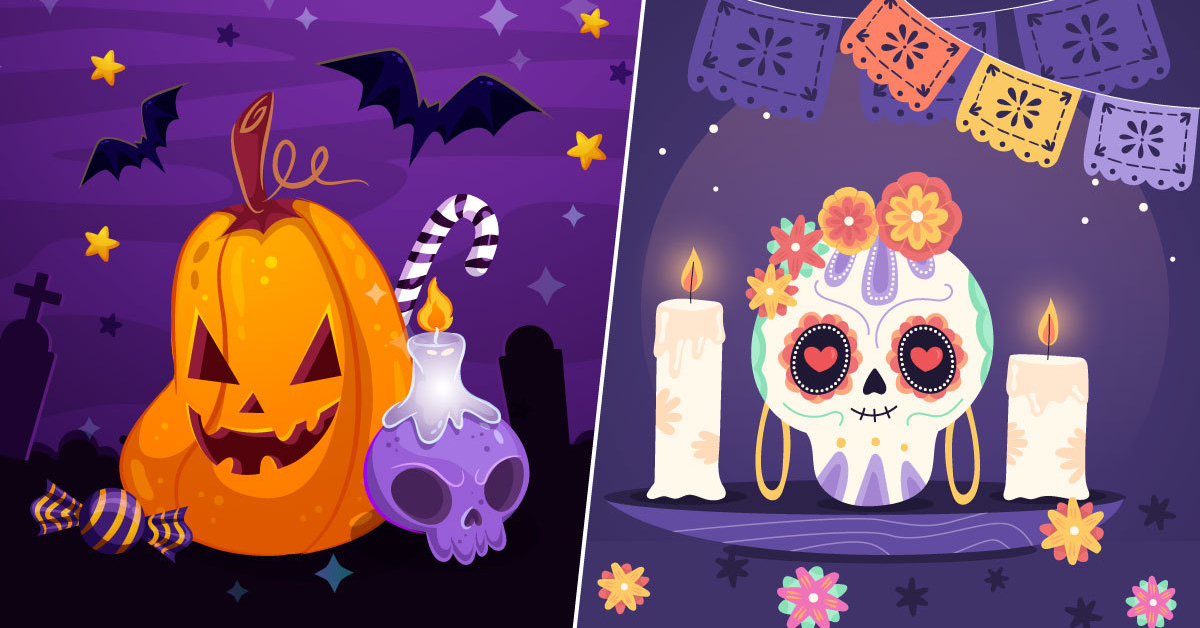
- Halloween is a secular holiday focused on entertainment and festivities, while Day of the Dead is a religious and cultural celebration honoring the deceased.
- Halloween emphasizes costumes and trick-or-treating, while Day of the Dead centers on building ofrendas, visiting cemeteries, and sharing food and memories with the departed.
- Halloween is celebrated worldwide, while Day of the Dead is primarily observed in Mexico and other Latin American countries.
Conclusion:
Halloween and Day of the Dead, while sharing some spooky similarities, are two distinct holidays with unique origins, traditions, and cultural significance. Halloween is a time for mischief and entertainment, while Day of the Dead is a time for remembrance, celebration, and honoring the departed. Understanding the differences and similarities between these two holidays allows for a deeper appreciation of their respective cultures and traditions.




:max_bytes(150000):strip_icc()/day-of-the-dead-in-san-andr-s-mixquic--842924938-5c48c06a46e0fb0001de5cb6.jpg)
Closure
Thus, we hope this article has provided valuable insights into Halloween and Day of the Dead: Two Spooky Holidays with Distinct Origins and Traditions. We hope you find this article informative and beneficial. See you in our next article!
