
Halloween and All Saints’ Day Origins: A Historical Exploration (2024)
Related Articles: Halloween and All Saints’ Day Origins: A Historical Exploration (2024)
- Disney Halloween Fireworks Show 2024: A Hauntingly Spectacular Experience
- Five Nights At Freddy’s 4: Halloween Edition (Google Drive 2024)
- Google Halloween Cat Game 2024: A Feline-tastic Adventure For All
- Cute Happy Halloween Quotes 2024: Spooky, Funny, And Adorable
- Embark On A Spooktacular Adventure At The Disney Halloween Race 2024
Introduction
With great pleasure, we will explore the intriguing topic related to Halloween and All Saints’ Day Origins: A Historical Exploration (2024). Let’s weave interesting information and offer fresh perspectives to the readers.
Table of Content
Video about Halloween and All Saints’ Day Origins: A Historical Exploration (2024)
Halloween and All Saints’ Day Origins: A Historical Exploration (2024)

Introduction
Halloween and All Saints’ Day, celebrated on October 31st and November 1st respectively, are two significant observances with a rich and intertwined history. These holidays have evolved over centuries, influenced by a blend of ancient Celtic traditions, Christian beliefs, and cultural practices. Understanding their origins provides insights into their enduring appeal and the cultural significance they hold today.
Halloween: Celtic Roots and Supernatural Beliefs
The origins of Halloween can be traced back to the ancient Celtic festival of Samhain, celebrated by the Celts, who inhabited much of Europe, including Ireland, Britain, and northern France, from around 1200 BC to 400 AD. Samhain marked the end of the summer and the beginning of the darker, colder half of the year.
According to Celtic beliefs, on the night of Samhain, the boundary between the worlds of the living and the dead became blurred, allowing the spirits of the deceased to return to Earth. To ward off these spirits, the Celts would light bonfires, wear costumes made of animal skins, and offer food and drink to appease them.
Christianization and All Saints’ Day
In the 7th century AD, as Christianity spread throughout Europe, the Church sought to replace pagan festivals with Christian ones. In 835 AD, Pope Gregory IV established November 1st as a day to honor all Christian saints, known as All Saints’ Day. This day was intended to commemorate the lives of all the saints, both known and unknown, who had died for their faith.
Over time, the traditions associated with Samhain began to merge with the Christian observance of All Saints’ Day. The night before All Saints’ Day became known as "All Hallows Eve," which eventually evolved into the modern-day Halloween.
Trick-or-Treating, Costumes, and Symbolism
The practice of trick-or-treating has its roots in the Celtic belief that spirits would visit homes on Samhain night. To appease these spirits, people would offer them food and drink. This custom evolved into the modern tradition of children going door-to-door asking for treats.
Costumes have also been an integral part of Halloween celebrations since its Celtic origins. The Celts believed that wearing costumes would disguise them from the spirits and protect them from harm. Today, costumes are worn for fun and entertainment, often representing popular culture characters or mythical creatures.
Jack-o’-lanterns, carved from pumpkins and illuminated with a candle, are another iconic symbol of Halloween. They originated from an Irish folktale about a man named Stingy Jack, who tricked the devil and was condemned to wander the Earth with only a burning coal to light his way. The carved pumpkins represent Jack’s lantern and are believed to ward off evil spirits.
All Saints’ Day: Honoring the Saints
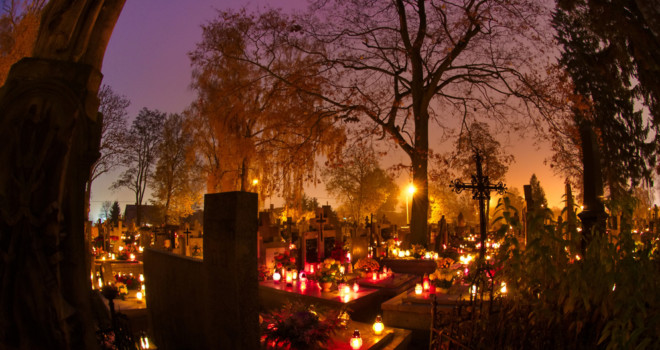
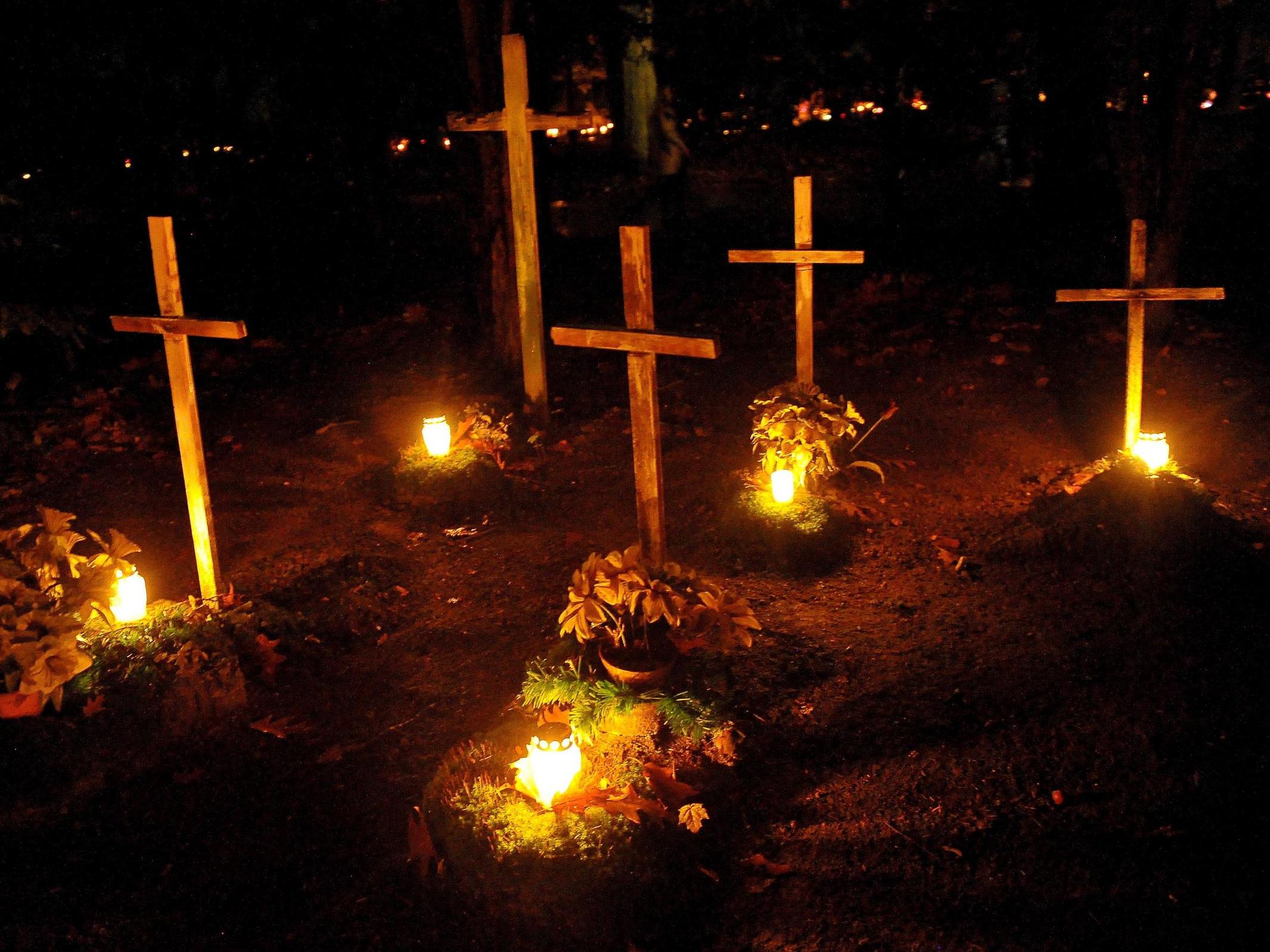
All Saints’ Day is a solemn observance in the Christian calendar, dedicated to honoring the saints who have died and are believed to be in Heaven. On this day, churches hold special services, people visit the graves of their loved ones, and some cultures have traditions of making special foods or offering prayers.
The saints honored on All Saints’ Day are those who have been recognized by the Catholic Church as having lived a life of extraordinary holiness. They include martyrs, confessors, virgins, and other individuals who have exemplified Christian virtues.
Cultural Significance and Evolution
Over the centuries, Halloween and All Saints’ Day have evolved and taken on different meanings in different cultures. In the United States, Halloween has become a secular holiday focused on fun, costumes, and candy. In Europe and Latin America, it is still celebrated with a mix of traditional and Christian elements.
All Saints’ Day remains an important religious observance for Christians, but it has also been influenced by secular traditions. In some cultures, it is associated with visiting cemeteries and remembering the dead.
Conclusion
Halloween and All Saints’ Day are holidays with a rich and complex history that has shaped their traditions and symbolism. From the ancient Celtic festival of Samhain to the Christian observance of All Saints’ Day, these holidays have evolved over time, reflecting the interplay of cultural beliefs and religious practices.
Today, Halloween and All Saints’ Day continue to be celebrated around the world, albeit in different ways. Halloween has become a globalized phenomenon, known for its costumes, candy, and entertainment. All Saints’ Day remains a solemn occasion for Christians to honor the saints and reflect on the lives of those who have passed away. Understanding the origins of these holidays provides a deeper appreciation for their cultural significance and the enduring power of tradition.




Closure
Thus, we hope this article has provided valuable insights into Halloween and All Saints’ Day Origins: A Historical Exploration (2024). We appreciate your attention to our article. See you in our next article!
