
Facts About Halloween History 2024: A Haunting History
Related Articles: Facts About Halloween History 2024: A Haunting History
- Disney Halloween Extravaganza 2024: A Spooktacular Spectacle For All Ages
- Disney Halloween Costumes For Families 2024: Enchanting And Spooktacular Choices For The Spooky Season
- The Eve Of All Hallows: Unveiling The Enigmatic Day Before Halloween
- Days Till Halloween Meme 2024: A Countdown To Spooky Shenanigans
- Disney Halloween Wiki 2024: An Enchanting Guide To Spooky Celebrations
Introduction
With great pleasure, we will explore the intriguing topic related to Facts About Halloween History 2024: A Haunting History. Let’s weave interesting information and offer fresh perspectives to the readers.
Table of Content
Video about Facts About Halloween History 2024: A Haunting History
Facts About Halloween History 2024: A Haunting History
![Halloween Facts & History [2024]](https://blogdigger.com/wp-content/uploads/2022/10/Halloween-History-Facts-0.jpg)
Halloween, a spooky and enchanting holiday celebrated annually on October 31st, has a rich and captivating history that spans centuries. Its origins can be traced back to ancient Celtic festivals, pagan rituals, and Christian traditions, creating a captivating tapestry of customs and beliefs that have evolved over time. As we approach Halloween 2024, let’s delve into the fascinating facts that have shaped this beloved holiday.
Celtic Origins: Samhain, the Festival of the Dead
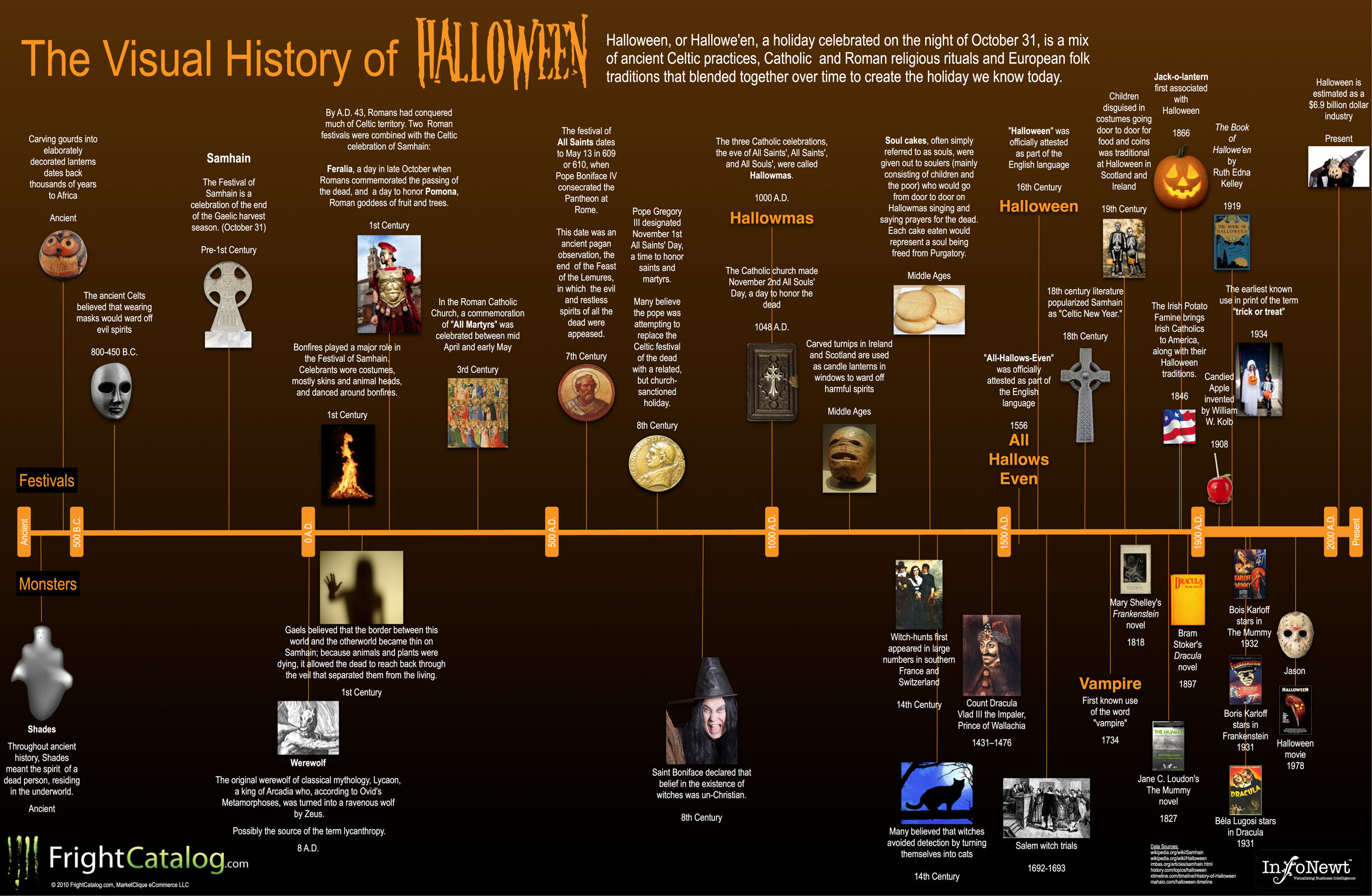
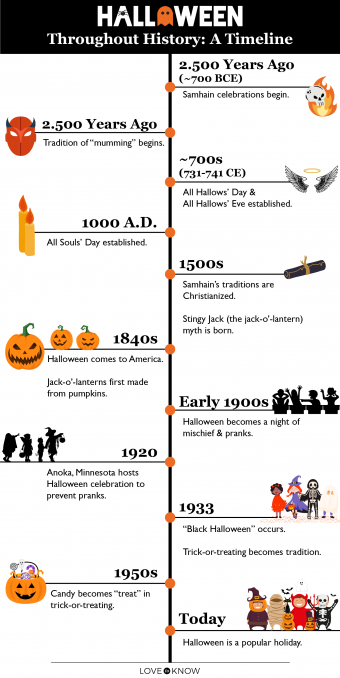
The roots of Halloween lie in the ancient Celtic festival of Samhain, celebrated by the Celts, who inhabited Europe from around 1200 BC to 400 AD. Samhain marked the end of the harvest season and the beginning of the colder, darker months. The Celts believed that on this night, the boundary between the worlds of the living and the dead became blurred, allowing spirits to cross over into the mortal realm.
To honor the dead and ward off evil spirits, the Celts lit bonfires, wore costumes made from animal skins and heads, and engaged in divination rituals. They also believed that on Samhain, the spirits of the deceased returned to their homes, so they would leave food and offerings out for them.
Roman Influence: Feralia and Pomona
When the Romans conquered the Celtic territories in the 1st century AD, they brought their own festivals and customs to the region. Feralia, a Roman festival honoring the dead, and Pomona, a festival celebrating the goddess of fruit and trees, influenced the development of Halloween.
During Feralia, the Romans visited the graves of their deceased loved ones, offering food and flowers. Pomona’s association with apples and nuts also contributed to the Halloween tradition of bobbing for apples and carving pumpkins, which were originally turnips.
Christianization: All Saints’ Day and All Souls’ Day
In the 8th century AD, Pope Gregory IV designated November 1st as All Saints’ Day, a day to honor all Christian saints. The night before, October 31st, became known as All Hallows’ Eve, or Halloween.
Over time, Halloween incorporated Christian elements, such as the belief in purgatory, where souls could be cleansed of their sins before entering heaven. The practice of going door-to-door asking for treats, known as trick-or-treating, is thought to have originated from the medieval custom of "souling," where poor people would go from house to house asking for food and prayers for the souls of the departed.
American Traditions: Immigration and Commercialization
Halloween was brought to the United States by Irish and Scottish immigrants in the 19th century. They brought with them their traditions of wearing costumes, carving pumpkins, and playing pranks. In the early 20th century, Halloween became increasingly commercialized, with the introduction of Halloween-themed candy, costumes, and decorations.
Modern Halloween: A Global Phenomenon
Today, Halloween is celebrated worldwide, with its traditions and customs varying from country to country. In the United States, it is one of the most popular holidays, with people spending billions of dollars on costumes, candy, and decorations. Halloween has also become a popular time for horror movies, haunted houses, and other spooky festivities.
Additional Fascinating Facts
- The word "Halloween" comes from the Old English phrase "All Hallows’ Eve," meaning the evening before All Saints’ Day.
- The first jack-o’-lantern was carved from a turnip, not a pumpkin.
- The largest pumpkin ever carved weighed over 2,000 pounds.
- The most popular Halloween candy in the United States is Reese’s Peanut Butter Cups.
- The first Halloween parade was held in Anoka, Minnesota, in 1921.
- The world’s largest Halloween party is held in Salem, Massachusetts, the site of the infamous witch trials.
- In some cultures, Halloween is associated with fairies, goblins, and other mythical creatures.
Conclusion
Halloween is a holiday steeped in history, tradition, and folklore. Its origins can be traced back to ancient Celtic festivals, pagan rituals, and Christian beliefs, creating a rich tapestry of customs and practices that have evolved over time. As we approach Halloween 2024, these fascinating facts provide a glimpse into the haunting history of this beloved holiday, reminding us of its enduring appeal and the enduring fascination with the supernatural and the unknown.




Closure
Thus, we hope this article has provided valuable insights into Facts About Halloween History 2024: A Haunting History. We hope you find this article informative and beneficial. See you in our next article!
