
Every Day Is Halloween: A Lyrical Analysis of a Timeless Anthem
Related Articles: Every Day Is Halloween: A Lyrical Analysis of a Timeless Anthem
- Disney Halloween Desktop Wallpaper 2024: A Spooktacular Collection For Your Digital Canvas
- Disney Halloween Kids Movies 2024: A Spooktacular Lineup For All Ages
- 50 Easy Halloween Treats For A Spooktacular Season 2024
- Does Disney World Have Halloween Events 2024?
- Disney Halloween Nail Ideas For 2024: Spooktacular And Enchanting
Introduction
With great pleasure, we will explore the intriguing topic related to Every Day Is Halloween: A Lyrical Analysis of a Timeless Anthem. Let’s weave interesting information and offer fresh perspectives to the readers.
Table of Content
Video about Every Day Is Halloween: A Lyrical Analysis of a Timeless Anthem
Every Day Is Halloween: A Lyrical Analysis of a Timeless Anthem
Introduction
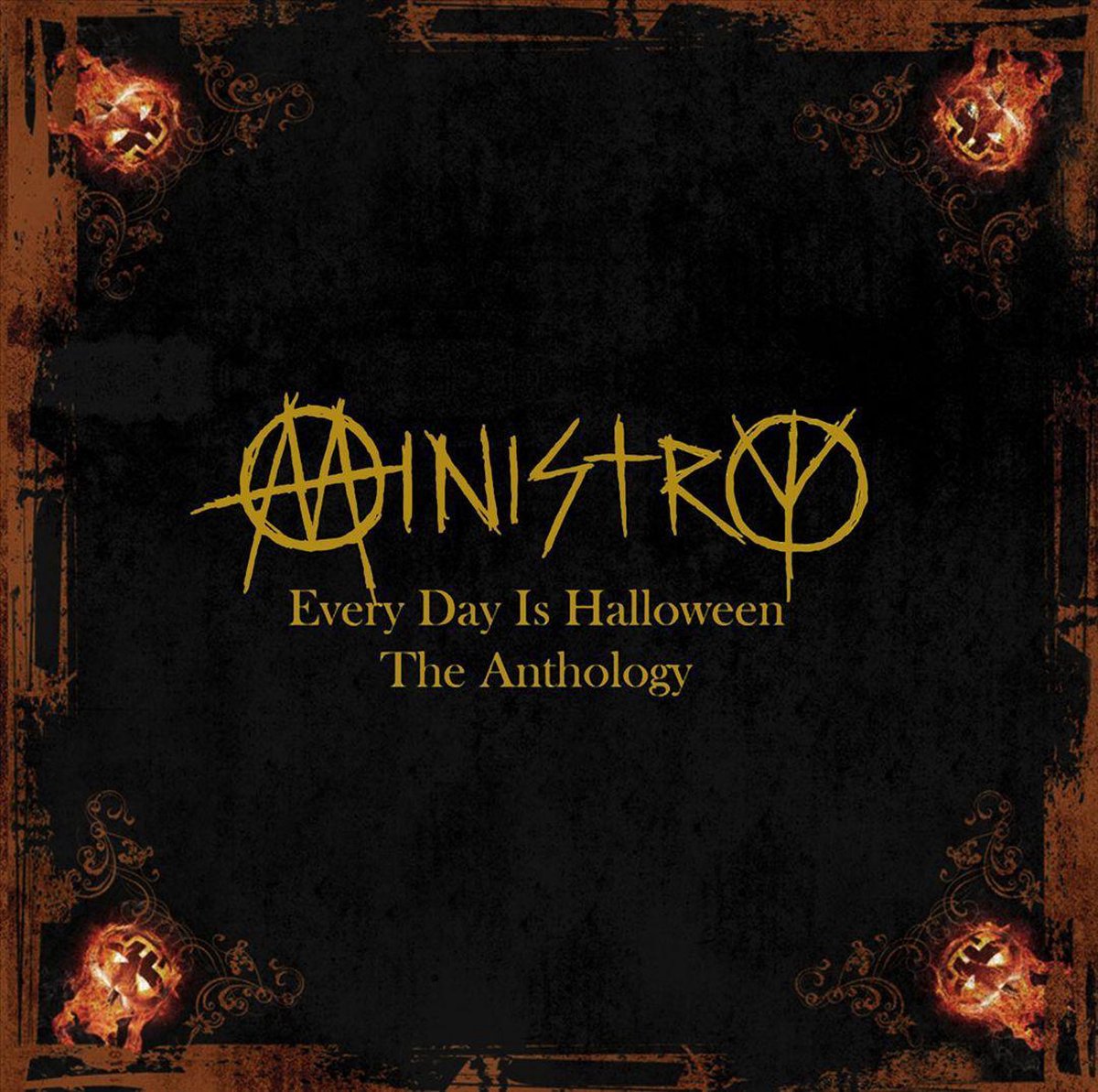
Released in 1997, Ministry’s "Every Day Is Halloween" has become an iconic anthem for fans of industrial metal and a haunting reminder of the horrors that lurk beneath the surface of everyday life. The song’s lyrics, penned by frontman Al Jourgensen, are a complex and enigmatic exploration of societal decay, fear, and the search for meaning in a world gone mad.
Verse 1: The Facade of Normalcy
The song opens with an eerie, atmospheric intro that sets the tone for the lyrical journey that follows. Jourgensen’s voice, distorted and menacing, begins to narrate a tale of a society that has lost its way. He paints a vivid picture of a world where "the zombies walk the street" and "the living dead are all around." This imagery suggests a pervasive sense of decay and emptiness, where the line between the living and the undead has blurred.
Chorus: The Constant Presence of Fear
The chorus, with its haunting refrain of "Every day is Halloween," captures the essence of the song’s message. It implies that the horrors that we fear are not confined to a single night but are an ever-present reality. The use of the word "Halloween" evokes images of costumes, masks, and the blurring of identities, hinting at the superficiality and deception that permeate society.
Verse 2: The Erosion of Values
In the second verse, Jourgensen delves deeper into the societal decay that he sees around him. He laments the loss of "moral fiber" and the rise of "greed and hate." The lyrics suggest a world where selfishness and corruption have triumphed over compassion and empathy. The image of "the innocent being crucified" adds a layer of religious symbolism, implying that society has abandoned its core values and is now paying the price.
Bridge: The Search for Meaning
Amidst the darkness and despair, the bridge of the song offers a glimmer of hope. Jourgensen sings about "searching for a reason to live" and "a place to belong." These lyrics suggest that even in the most challenging of times, humans have an innate need for meaning and connection. The use of the word "belong" implies a desire for community and a sense of purpose.
Verse 3: The Inevitability of Death
The third verse confronts the inevitability of death. Jourgensen sings about "the final curtain call" and "the silence of the grave." These lyrics serve as a reminder that despite all our efforts to escape or deny it, death is an inescapable part of life. However, the song does not dwell on despair but rather suggests a sense of acceptance and the need to make the most of the time we have.
Chorus: The Recurrence of Evil
The final chorus brings the song full circle, reiterating the haunting message that "every day is Halloween." It suggests that the horrors we face are not merely temporary but are an ongoing cycle that repeats itself over and over. This cyclical nature of evil implies that we must remain vigilant and never take the blessings of life for granted.
Conclusion
"Every Day Is Halloween" is a powerful and thought-provoking anthem that confronts the darkness within society and within ourselves. Through its haunting lyrics and relentless industrial beat, the song serves as a reminder that the horrors we fear are not confined to a single night but are an ever-present reality. However, amidst the despair, the song offers a glimmer of hope, suggesting that even in the darkest of times, we must never give up our search for meaning and connection.
Lyrical Highlights
- "The zombies walk the street / And the living dead are all around" (Verse 1)
- "Every day is Halloween / The monsters are all real" (Chorus)
- "Moral fiber turning gray / Greed and hate have had their way" (Verse 2)
- "Searching for a reason to live / A place to belong" (Bridge)
- "The final curtain call / The silence of the grave" (Verse 3)
- "Every day is Halloween / The cycle never ends" (Chorus)
Themes
- Societal decay and moral decline
- The ever-presence of fear
- The search for meaning and connection
- The inevitability of death
- The cyclical nature of evil
Legacy and Impact
"Every Day Is Halloween" has become a cult classic among fans of industrial metal and has influenced countless other artists. The song’s haunting lyrics and relentless energy have made it an anthem for those who feel alienated and disillusioned with the world around them. It remains a powerful reminder that the horrors we face are not just external but are also internal, and that we must constantly confront and overcome our own fears.





Closure
Thus, we hope this article has provided valuable insights into Every Day Is Halloween: A Lyrical Analysis of a Timeless Anthem. We hope you find this article informative and beneficial. See you in our next article!
