
Day of the Dead and Halloween Similarities: A Comparative Analysis
Related Articles: Day of the Dead and Halloween Similarities: A Comparative Analysis
- Best Time To Experience Halloween Horror Nights 2024: A Comprehensive Guide
- Cheap Hotels Near Halloween Horror Nights 2024: A Spooktacular Guide
- Apex Legends Halloween Skins Leak Date 2024: Spooky Surprises Unveiled
- Halloween 2024: A Spooktacular Extravaganza
- 13 Days Of Halloween Countdown 2024: A Spooktacular Journey To All Hallows’ Eve
Introduction
In this auspicious occasion, we are delighted to delve into the intriguing topic related to Day of the Dead and Halloween Similarities: A Comparative Analysis. Let’s weave interesting information and offer fresh perspectives to the readers.
Table of Content
Video about Day of the Dead and Halloween Similarities: A Comparative Analysis
Day of the Dead and Halloween Similarities: A Comparative Analysis
Introduction
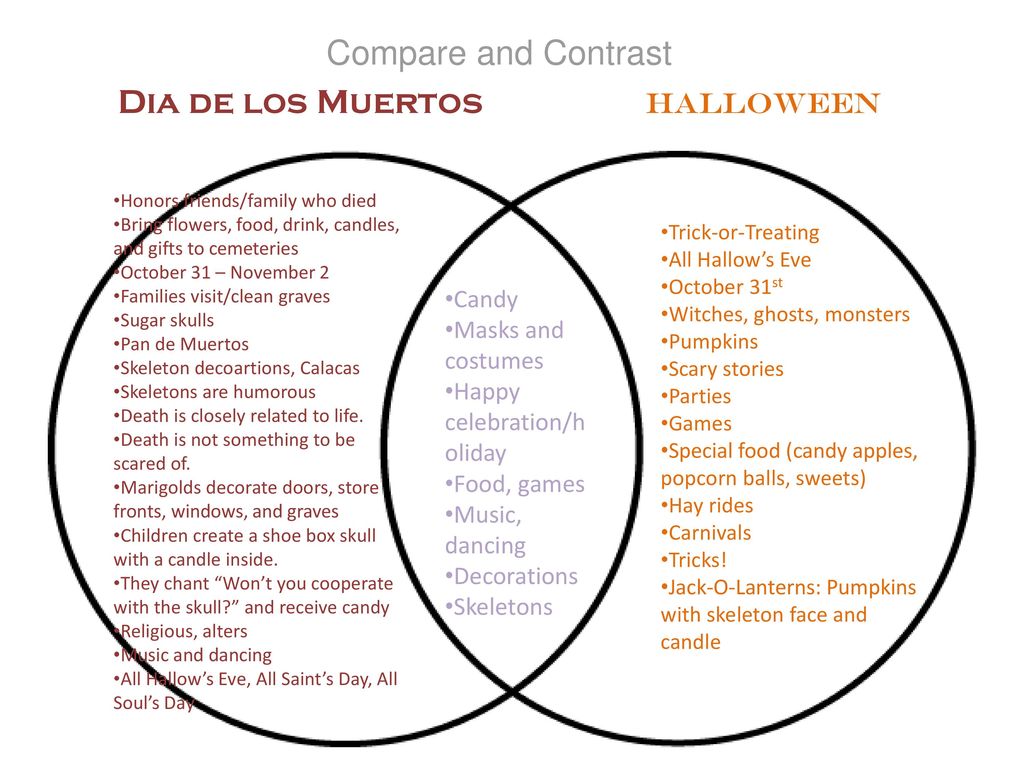
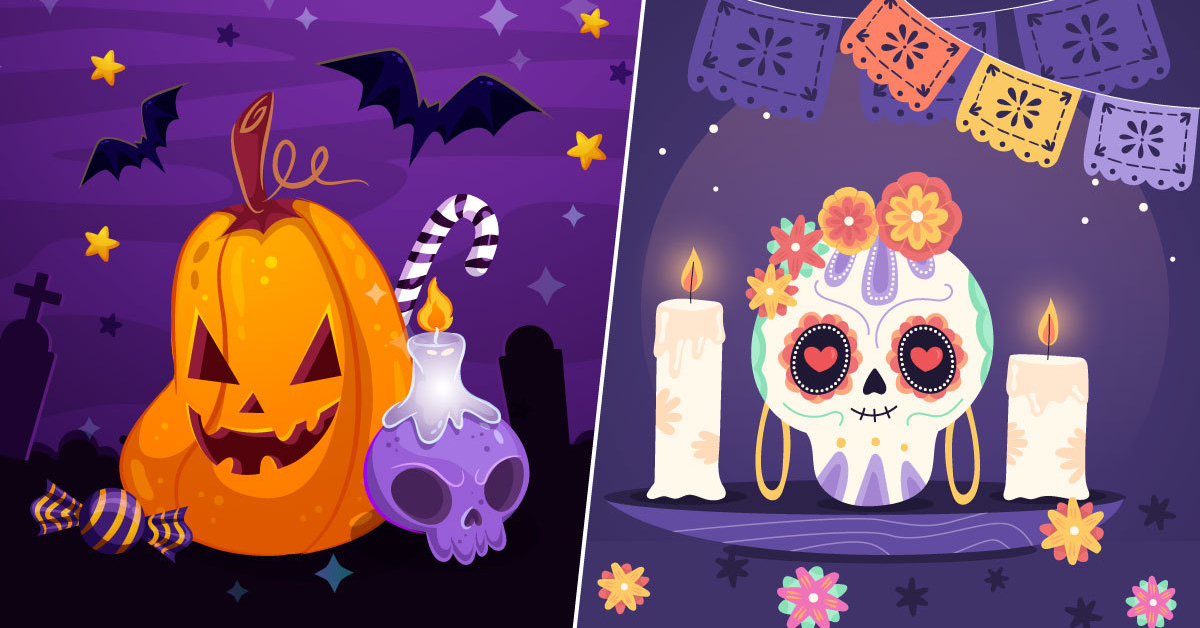
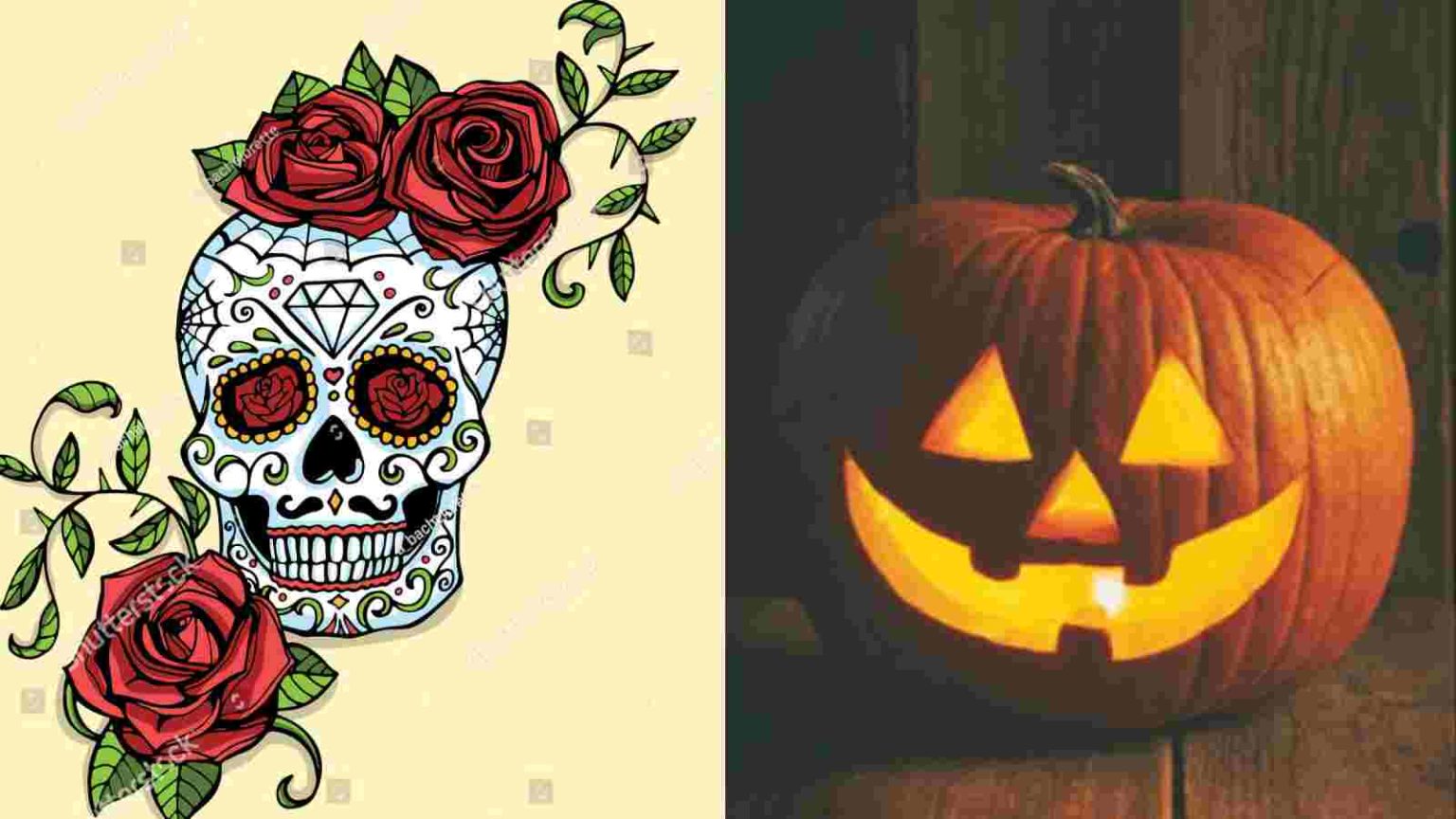
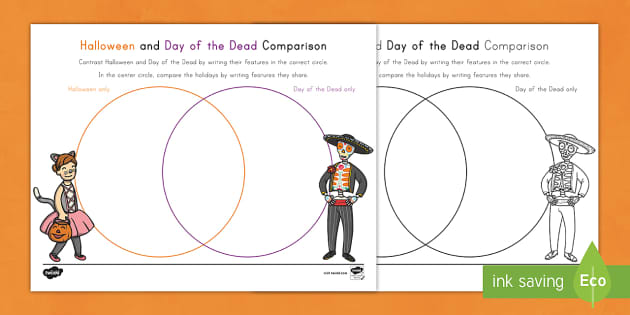
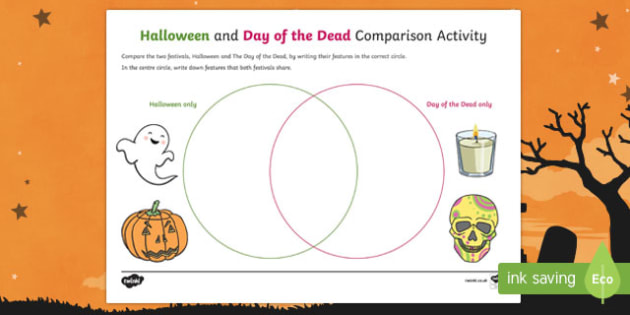
Day of the Dead and Halloween, two seemingly distinct holidays celebrated in different parts of the world, share striking similarities in their origins, traditions, and cultural significance. Both festivals delve into the realm of the departed, honoring the dead and celebrating their memory. This article explores the intriguing parallels between these two unique observances, providing a comprehensive comparison of their historical roots, rituals, and the underlying themes they embody.
Historical Origins
Day of the Dead:
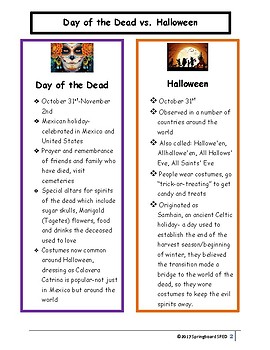
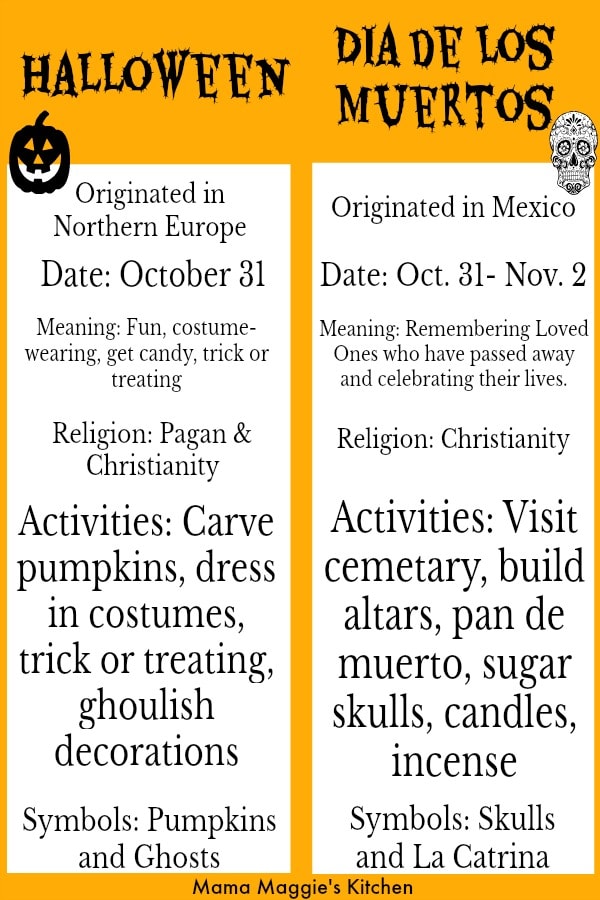
Day of the Dead, known as "Día de los Muertos" in Spanish, has its roots in ancient Aztec traditions. The Aztecs believed that the dead returned to visit their families during the ninth month of the Aztec calendar, known as Miccailhuitontli. This period was marked by elaborate rituals and offerings to honor the deceased.
Halloween:
Halloween originated from the ancient Celtic festival of Samhain, celebrated on October 31st. The Celts believed that on this night, the boundary between the worlds of the living and the dead became blurred, allowing spirits to cross over. They celebrated with bonfires, costumes, and rituals to ward off evil spirits.
Similarities in Traditions
Altars and Offerings:
Both Day of the Dead and Halloween involve the creation of altars or shrines dedicated to the deceased. These altars are adorned with offerings such as food, drinks, flowers, and personal belongings that the departed loved. The purpose is to honor their memory and provide sustenance for their spirits during their visit.
Costumes and Masks:
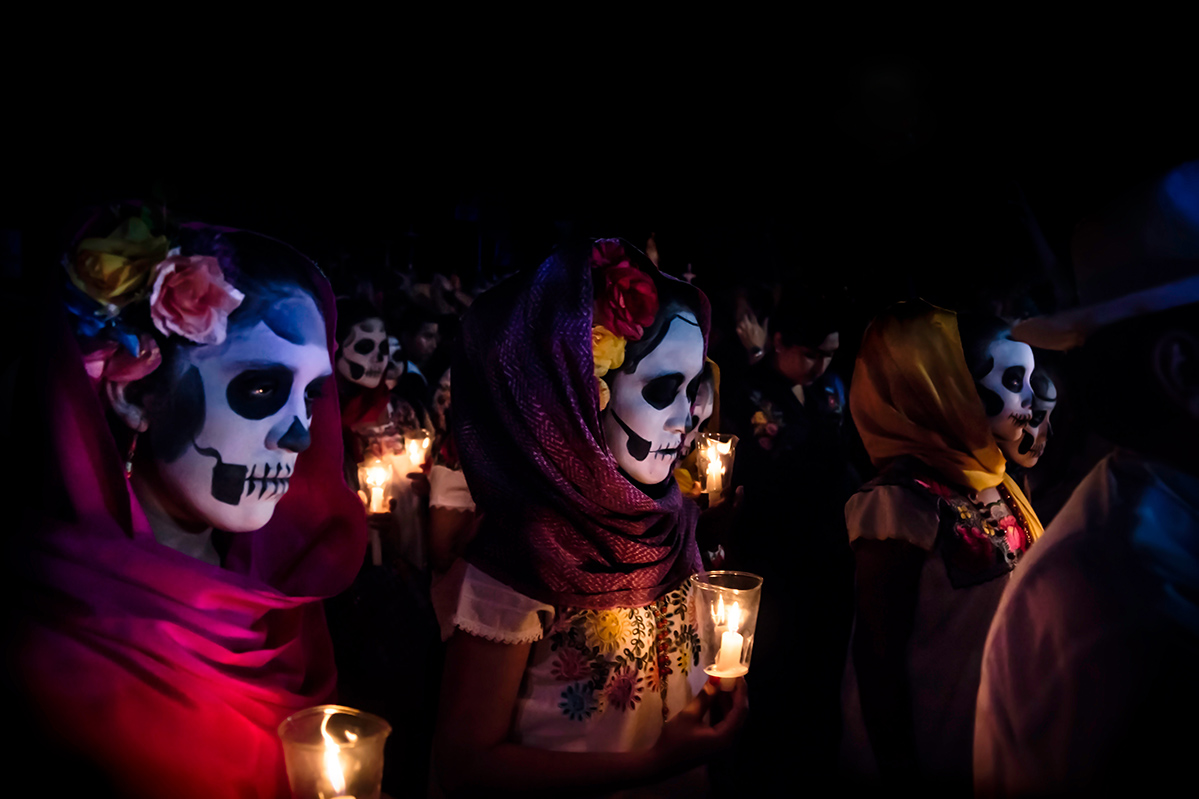
Costumes and masks are integral to both celebrations. In Day of the Dead, people dress up as skeletons or other representations of death, known as "calaveras." This tradition symbolizes the acceptance and celebration of mortality. Similarly, in Halloween, costumes and masks are worn to ward off evil spirits and disguise one’s identity.
Visiting Gravesites:
Visiting the gravesites of loved ones is a common practice in both Day of the Dead and Halloween. Families gather at cemeteries to clean and decorate the graves, share stories about the deceased, and leave offerings to honor their spirits.
Feasting and Celebrations:
Food plays a significant role in both festivals. In Day of the Dead, families prepare special dishes, such as "pan de muerto" (bread of the dead), and share them with their departed loved ones. Halloween is also associated with feasting, with trick-or-treating being a prominent activity.
Themes of Remembrance and Celebration
Honoring the Dead:
Day of the Dead and Halloween share a common theme of honoring and remembering the dead. Both festivals provide an opportunity for families and communities to connect with their departed loved ones, express their love and respect, and celebrate their lives.
Overcoming Fear of Death:
By embracing and celebrating death, both Day of the Dead and Halloween help people to overcome their fear of mortality. They encourage individuals to confront the inevitability of death and to find ways to live life to the fullest while honoring the memory of those who have passed on.
Cultural Diversity
Day of the Dead:
Day of the Dead is primarily celebrated in Mexico, Central America, and parts of the United States. However, it has gained international recognition and is celebrated in various forms around the world.
Halloween:
Halloween is celebrated worldwide, but its origins and traditions vary from country to country. In the United States, it is primarily associated with trick-or-treating, costumes, and horror-themed entertainment. In other parts of the world, it retains more of its Celtic roots and involves bonfires, divination, and other rituals.
Conclusion
Day of the Dead and Halloween, despite their geographical and cultural differences, share striking similarities in their origins, traditions, and underlying themes. Both festivals honor the dead, celebrate life, and provide an opportunity for individuals to confront the inevitability of mortality. By embracing the similarities and appreciating the unique aspects of each observance, we gain a deeper understanding of the diverse ways in which cultures around the world have grappled with the profound mystery of death and the enduring power of memory.

Closure
Thus, we hope this article has provided valuable insights into Day of the Dead and Halloween Similarities: A Comparative Analysis. We hope you find this article informative and beneficial. See you in our next article!
