
Christian Origins of Halloween 2024: A Comprehensive Exploration
Related Articles: Christian Origins of Halloween 2024: A Comprehensive Exploration
- Barney’s Halloween Party VHS: A Nostalgic Time Capsule For The Spooky Season
- Bing Halloween Quiz 2024: Spooky Trivia For A Chilling Night
- Celebrating Halloween In Salem, Massachusetts: An Unforgettable 2024 Experience
- Halloween Event 2024: An Atmosfearic Opening Day
- The Enchanting Halloween Google Doodle Of 2024: A Spooktacular Celebration
Introduction
With enthusiasm, let’s navigate through the intriguing topic related to Christian Origins of Halloween 2024: A Comprehensive Exploration. Let’s weave interesting information and offer fresh perspectives to the readers.
Table of Content
Video about Christian Origins of Halloween 2024: A Comprehensive Exploration
Christian Origins of Halloween 2024: A Comprehensive Exploration

Halloween, a widely celebrated festival observed on October 31st, holds a rich history steeped in ancient Celtic traditions and Christian influences. While its modern-day iterations often emphasize costumes, trick-or-treating, and spooky decorations, the origins of Halloween can be traced back to the Christian feast of All Saints’ Day and its preceding evening, All Hallows’ Eve.
Celtic Roots: Samhain and the Feast of the Dead
The origins of Halloween lie in the Celtic festival of Samhain, celebrated by the ancient Celts on the night of October 31st. Samhain marked the end of the harvest season and the beginning of winter, a time when the veil between the worlds of the living and the dead was believed to be thin. The Celts believed that on this night, the spirits of the departed returned to Earth, and offerings were made to appease them.
Christianization: All Saints’ Day and All Hallows’ Eve
In the 8th century AD, Pope Gregory IV designated November 1st as All Saints’ Day, a feast day to honor all Christian saints. The evening before All Saints’ Day became known as All Hallows’ Eve, or Halloween. The Christian Church sought to Christianize the pagan festival of Samhain by associating it with the commemoration of saints and martyrs.
Traditions and Customs
Over the centuries, Halloween evolved into a blend of Celtic and Christian traditions. Some of the most common Halloween customs include:
- Costumes: The wearing of costumes on Halloween is believed to have originated from the Celtic belief that spirits could be disguised and appeased by imitating them.
- Trick-or-Treating: This tradition, where children go door-to-door asking for treats, is thought to have developed from the Celtic practice of offering food and drink to appease the spirits of the dead.
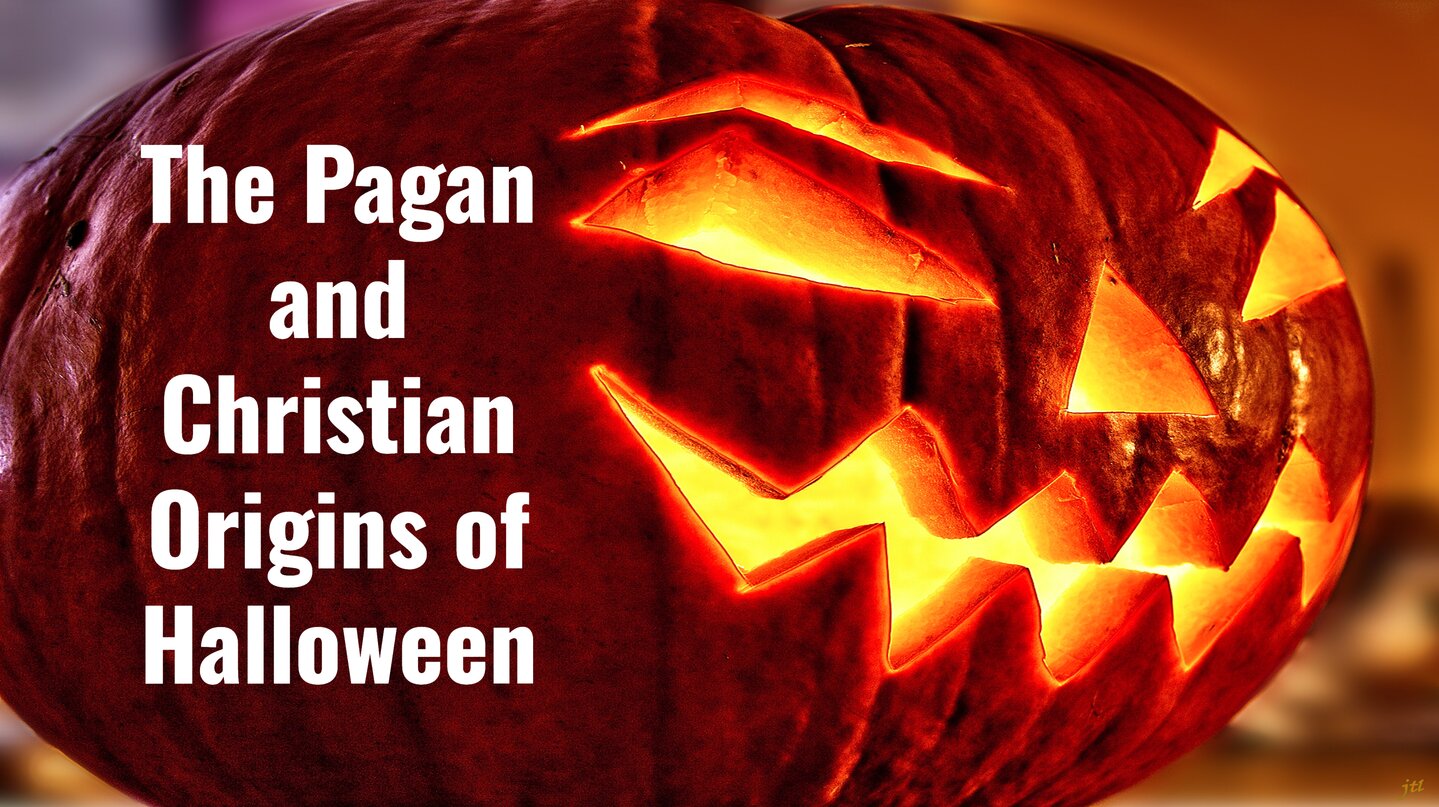
- Jack-o’-Lanterns: Carved pumpkins, known as jack-o’-lanterns, are said to have originated from an Irish legend about a man named Stingy Jack who was tricked by the devil and condemned to wander the Earth with only a burning coal to light his way.
Religious Significance
While Halloween is often associated with secular festivities, it still holds religious significance for many Christians. The feast of All Saints’ Day is a time to remember and honor the saints who have gone before us, while All Hallows’ Eve is a reminder of the Christian belief in the afterlife and the importance of prayers for the dead.
Modern-Day Celebrations
Today, Halloween is celebrated worldwide, with varying degrees of religious and secular observances. In many Western countries, it has become a major commercial event, with a focus on costumes, parties, and decorations. However, the Christian origins of Halloween continue to be acknowledged and celebrated by many.
Conclusion
Halloween 2024 will mark the continuation of a centuries-old tradition that blends ancient Celtic customs with Christian beliefs. From its origins in the Celtic festival of Samhain to its Christianization as All Hallows’ Eve, Halloween has evolved into a multifaceted festival that reflects both its pagan and religious roots. While its modern-day celebrations may emphasize the secular aspects, the Christian origins of Halloween serve as a reminder of the festival’s rich history and the importance of remembering and honoring the saints who have gone before us.




Closure
Thus, we hope this article has provided valuable insights into Christian Origins of Halloween 2024: A Comprehensive Exploration. We thank you for taking the time to read this article. See you in our next article!
