
All Saints’ Day and Halloween 2024: A Historical Exploration
Related Articles: All Saints’ Day and Halloween 2024: A Historical Exploration
- A Brief History Of The Origins Of Halloween 2024
- Why Is Halloween Celebrated On October 31, 2024?
- Google Doodle Halloween Theme 2024: Unveiling The Spooktacular Details
- Google Doodle Halloween Video 2024: A Spine-Tingling Adventure Through The Spooky Shadows
- 2024 Google Doodle Halloween Winner: A Spooktacular Celebration Of Creativity
Introduction
In this auspicious occasion, we are delighted to delve into the intriguing topic related to All Saints’ Day and Halloween 2024: A Historical Exploration. Let’s weave interesting information and offer fresh perspectives to the readers.
Table of Content
Video about All Saints’ Day and Halloween 2024: A Historical Exploration
All Saints’ Day and Halloween 2024: A Historical Exploration

Introduction
All Saints’ Day and Halloween, two closely intertwined holidays observed in late October, hold deep historical and cultural significance. These holidays, steeped in ancient traditions and beliefs, have evolved over centuries to become integral parts of the annual calendar. In this comprehensive article, we delve into the rich history of All Saints’ Day and Halloween, exploring their origins, customs, and enduring legacy.
All Saints’ Day: A Celebration of Sainthood
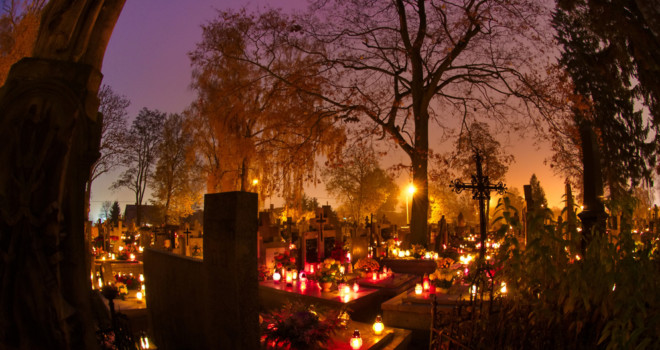
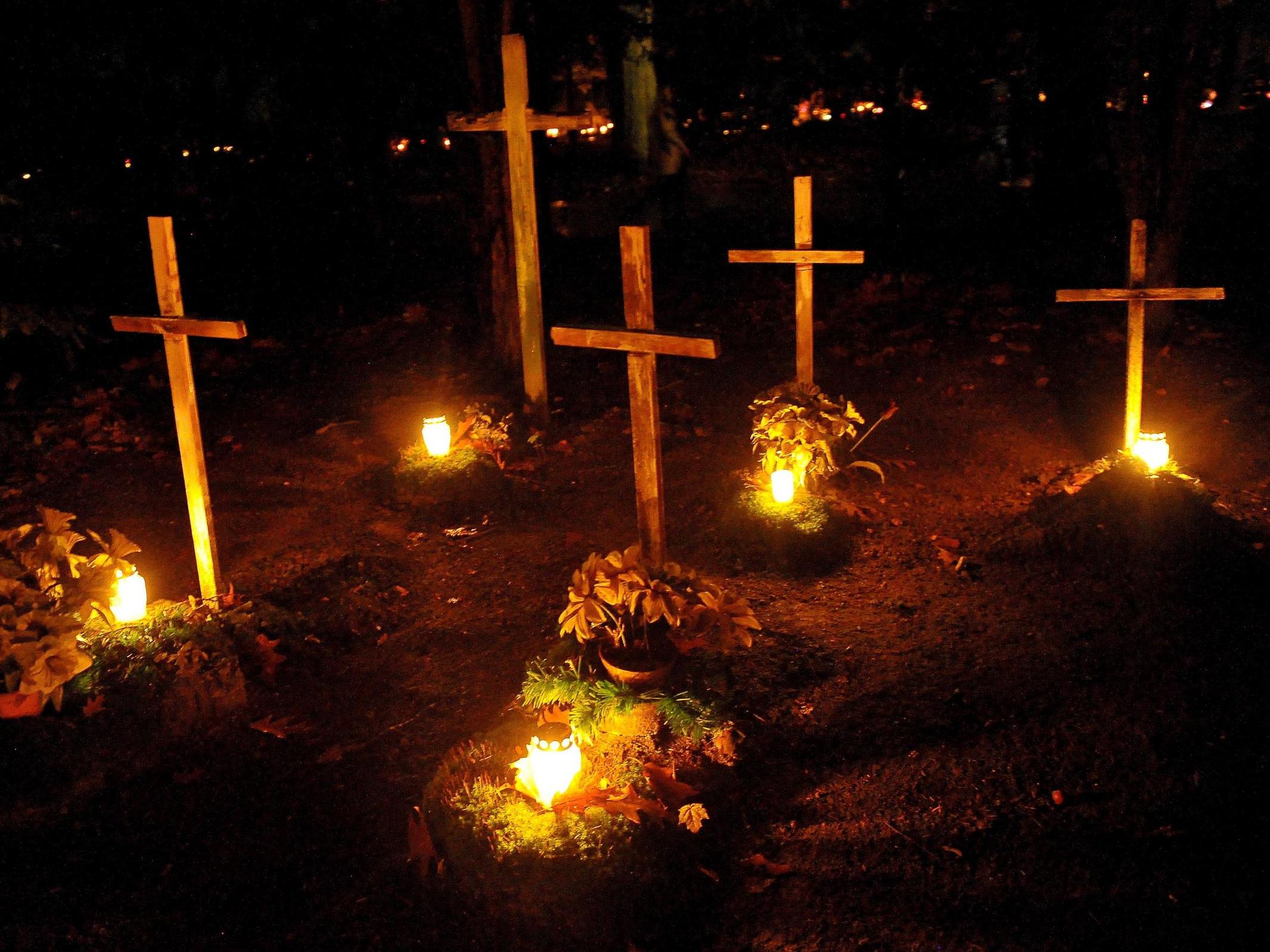
All Saints’ Day, observed on November 1st, is a Christian holiday that honors all the saints, known and unknown. Its roots can be traced back to the early Church, when Christians would gather to commemorate the lives and sacrifices of those who had died in the name of their faith.
The origins of All Saints’ Day are closely linked to the concept of sainthood. In the early Christian tradition, saints were individuals who had lived exemplary lives, often characterized by their unwavering faith, compassion, and service to others. They were seen as role models and intercessors, and their stories were passed down through generations.
Over time, the Catholic Church established a formal process for canonization, the official recognition of sainthood. This process involved a rigorous investigation into the life and miracles of the candidate, followed by a solemn ceremony where the Pope would proclaim them a saint.
All Saints’ Day became an official holiday in the 8th century, when Pope Gregory III designated November 1st as a day to honor all the saints. The holiday was intended to provide a collective celebration of the countless individuals who had dedicated their lives to serving God and humanity.
Halloween: A Night of Spirits and Superstition
Halloween, observed on the evening of October 31st, is a secular holiday that has its origins in ancient Celtic traditions. The Celts, who inhabited parts of Europe, celebrated a festival called Samhain on November 1st. Samhain marked the end of the harvest season and the beginning of the cold, dark winter months.
According to Celtic beliefs, on the night of Samhain, the boundary between the worlds of the living and the dead became blurred. It was believed that the spirits of the deceased would return to earth to visit their former homes and communities. To appease these spirits and ward off evil, the Celts would light bonfires, wear costumes, and offer sacrifices.
Over time, Halloween evolved into a more secular holiday, incorporating elements from various cultures and traditions. The practice of trick-or-treating, where children go door-to-door asking for candy, is believed to have originated from the Celtic custom of offering food to the spirits of the dead.
The symbols and customs associated with Halloween, such as pumpkins, black cats, and witches, have their roots in folklore and superstition. Pumpkins were originally used as lanterns to guide lost spirits, while black cats were believed to be associated with witchcraft and the supernatural.
The Intertwined Legacy of All Saints’ Day and Halloween
While All Saints’ Day and Halloween have distinct origins and traditions, they share a common thread in their connection to the afterlife and the supernatural. All Saints’ Day celebrates the saints who have triumphed over death and ascended to heaven, while Halloween acknowledges the presence of spirits and the potential for interaction between the living and the dead.
In some cultures, the two holidays are closely intertwined. In Mexico, for example, the Day of the Dead (Dia de los Muertos) is a three-day celebration that combines elements of All Saints’ Day and Halloween. Families build altars to honor their deceased loved ones, and children dress up as skeletons and other mythical creatures.
All Saints’ Day and Halloween 2024
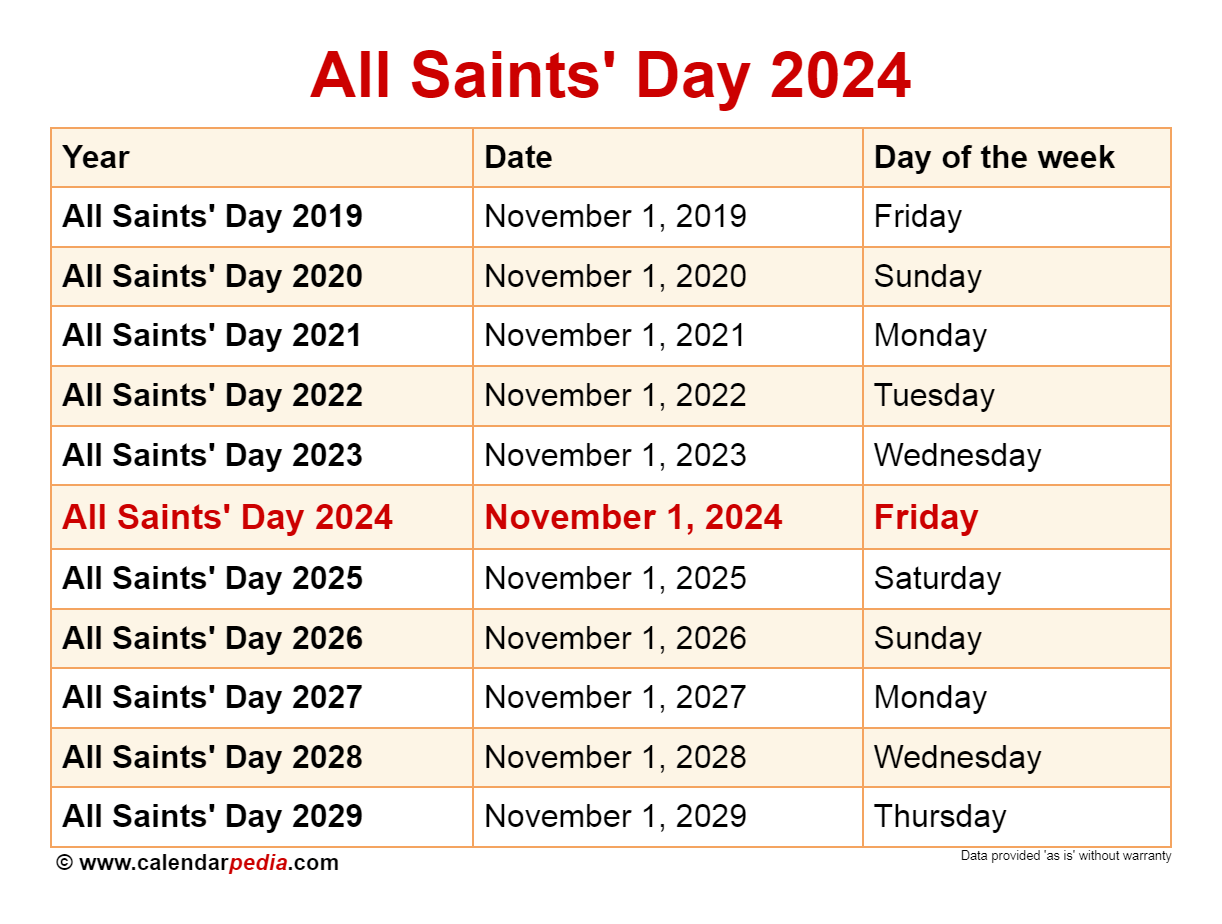
In 2024, All Saints’ Day will fall on a Friday, while Halloween will be observed on Thursday, October 31st. As with every year, these holidays provide an opportunity to reflect on the past, celebrate the present, and contemplate the future.
All Saints’ Day is a time to remember the lives of those who have dedicated themselves to serving others and inspiring us through their example. Halloween, on the other hand, is a time to embrace the unknown, celebrate the supernatural, and let our imaginations run wild.
Conclusion
All Saints’ Day and Halloween are two holidays that have evolved over centuries to become integral parts of our cultural landscape. They reflect our fascination with the afterlife, our belief in the power of the supernatural, and our desire to connect with both the living and the dead. As we approach All Saints’ Day and Halloween 2024, let us appreciate the rich history and enduring legacy of these holidays, and celebrate them with a spirit of reverence, wonder, and joy.




Closure
Thus, we hope this article has provided valuable insights into All Saints’ Day and Halloween 2024: A Historical Exploration. We appreciate your attention to our article. See you in our next article!
