
A Brief History of Halloween 2024
Related Articles: A Brief History of Halloween 2024
- 50 Easy Halloween Treats For A Spooktacular Season 2024
- A Disney Halloween: A Spooktacular Journey Through Decades Of Delight
- Beth May Halloween Costume 2024: A Guide To The Ultimate Look
- 2024 Halloween Horror Nights: A Bone-Chilling Preview
- Area 15 Halloween Horror Nights 2024: A Spine-Tingling Odyssey Into The Unknown
Introduction
In this auspicious occasion, we are delighted to delve into the intriguing topic related to A Brief History of Halloween 2024. Let’s weave interesting information and offer fresh perspectives to the readers.
Table of Content
Video about A Brief History of Halloween 2024
A Brief History of Halloween 2024
Origins of Halloween
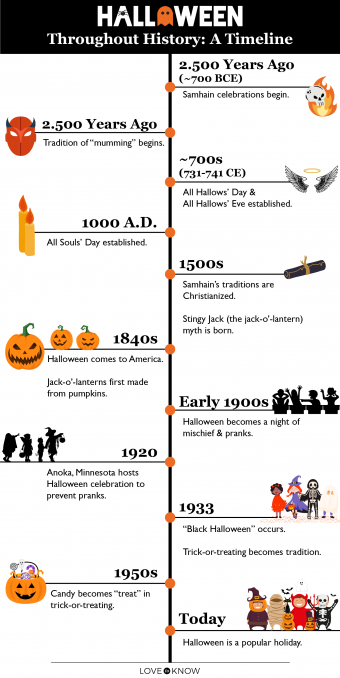
Halloween, a festival celebrated on the night of October 31, has its roots in the ancient Celtic festival of Samhain. The Celts, who inhabited Europe during the Iron Age, believed that on the night of Samhain, the boundary between the worlds of the living and the dead became blurred. As a result, they celebrated with bonfires, costumes, and rituals to honor the dead and ward off evil spirits.
Spread of Halloween
During the Roman Empire, Samhain was influenced by Roman festivals honoring the dead, such as Feralia and Lemuria. After the Christianization of Europe, Samhain was gradually replaced by Halloween, a Christian feast day that commemorated the saints and martyrs. However, many of the traditions and customs associated with Samhain continued to be practiced, giving Halloween its unique blend of pagan and Christian elements.
Halloween in the Middle Ages
During the Middle Ages, Halloween was a time for feasting, games, and divination. People believed that the spirits of the dead could return to earth on Halloween, so they would often leave out food and drink offerings for them. Divination practices, such as bobbing for apples and reading tarot cards, were also common.
Halloween in the 19th and 20th Centuries
In the 19th century, Halloween was brought to North America by Irish and Scottish immigrants. It quickly became a popular holiday, and by the early 20th century, it had evolved into a more commercialized event. Trick-or-treating, costume parties, and haunted houses became commonplace.
Halloween in the 21st Century
In the 21st century, Halloween continues to be a major holiday around the world. It is celebrated with a wide variety of traditions and customs, including trick-or-treating, costume parties, haunted houses, and pumpkin carving. Halloween has also become a significant economic event, with billions of dollars spent on costumes, decorations, and candy each year.
Halloween 2024
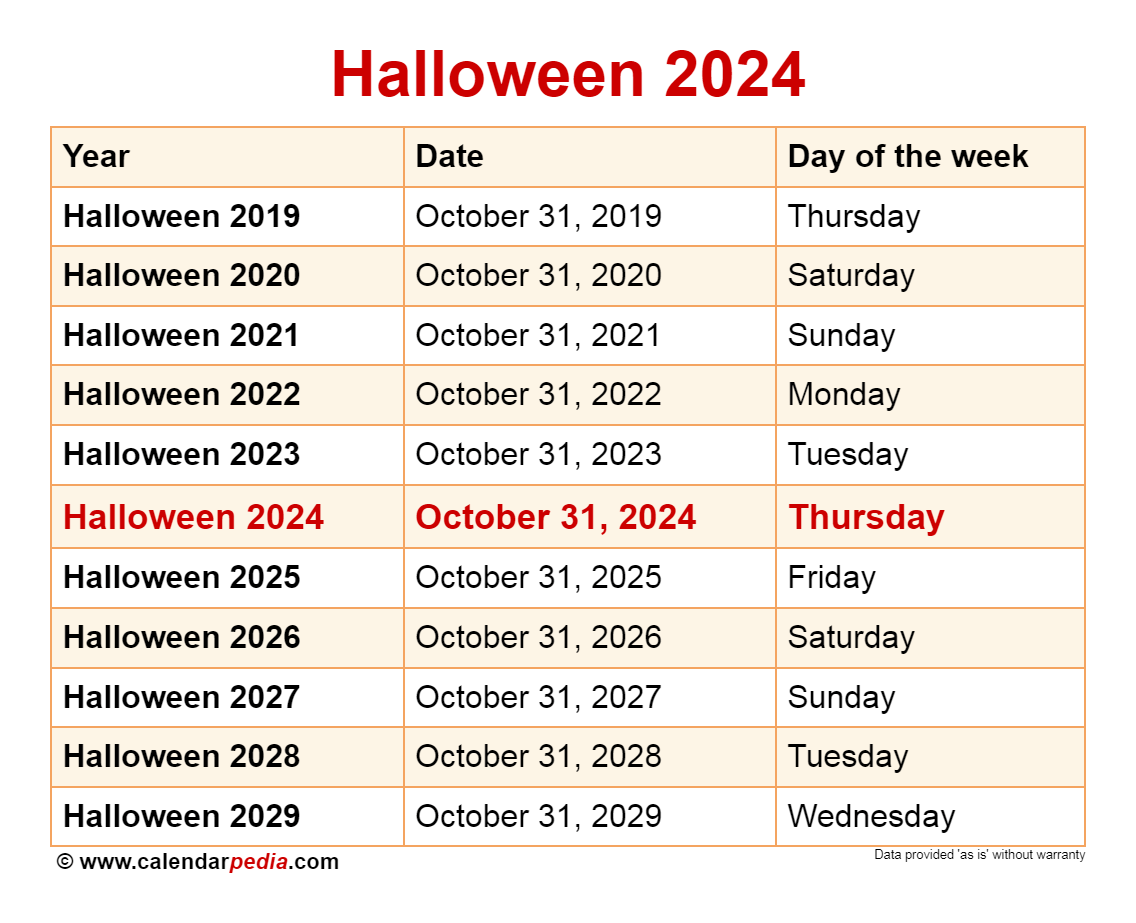
Halloween 2024 will be celebrated on Thursday, October 31. As usual, it will be a time for fun, festivities, and a touch of the supernatural. People around the world will dress up in costumes, go trick-or-treating, and enjoy haunted houses. Halloween 2024 is sure to be a memorable occasion, filled with laughter, excitement, and a little bit of spookiness.
Halloween Traditions
Trick-or-Treating: Trick-or-treating is one of the most popular Halloween traditions. Children dress up in costumes and go from house to house, asking for candy with the phrase "Trick or treat."
Costume Parties: Costume parties are another popular way to celebrate Halloween. People dress up in a wide variety of costumes, from superheroes to monsters to historical figures.
Haunted Houses: Haunted houses are a popular Halloween attraction. They are designed to scare visitors with spooky decorations, sound effects, and live actors.
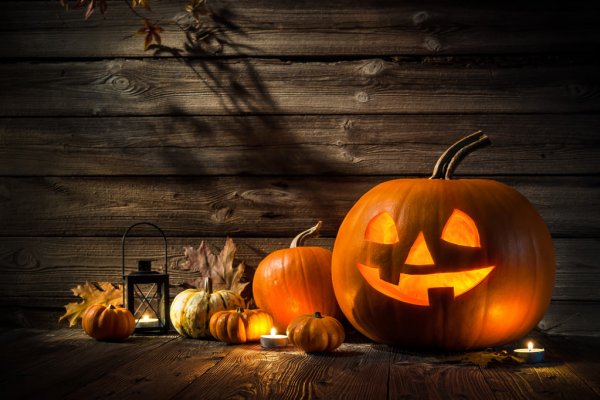
Pumpkin Carving: Pumpkin carving is a traditional Halloween activity. People carve pumpkins into jack-o’-lanterns, which are often lit with candles.
Bonfires: Bonfires were traditionally lit on Halloween to ward off evil spirits. Today, they are often used for warmth and ambiance.
Divination: Divination practices, such as bobbing for apples and reading tarot cards, are common on Halloween. People believe that these practices can reveal their future.
Halloween Symbols
Pumpkins: Pumpkins are a symbol of Halloween. They are often carved into jack-o’-lanterns, which are said to ward off evil spirits.
Black Cats: Black cats are often associated with Halloween. In some cultures, they are believed to be witches’ familiars.
Bats: Bats are another symbol of Halloween. They are often seen as creatures of the night and are associated with vampires.
Spiders: Spiders are another common Halloween symbol. They are often seen as creepy and crawly, and are associated with witches and Halloween decorations.
Ghosts: Ghosts are a classic Halloween symbol. They are said to be the spirits of the dead who have returned to earth.
Halloween Safety Tips
Halloween is a fun holiday, but it is important to stay safe. Here are a few safety tips to keep in mind:
- Be aware of your surroundings: When trick-or-treating, stay in well-lit areas and avoid walking alone.
- Wear a costume that is easy to see: Make sure your costume is bright and reflective, so that drivers can see you easily.
- Carry a flashlight: If you are trick-or-treating at night, carry a flashlight to help you see and be seen.
- Inspect your candy: Before eating any candy, inspect it carefully for any signs of tampering.
- Have a safe and happy Halloween!





Closure
Thus, we hope this article has provided valuable insights into A Brief History of Halloween 2024. We hope you find this article informative and beneficial. See you in our next article!
